OpenWorldLab

Science simulations Throw a planet. Bend a beam of light. Zoom in forever.

Free labs that run in your browser, each with a written guide. Many work in real units, so you can check what you measure against the textbook. Made for students, teachers and anyone curious.

The labs

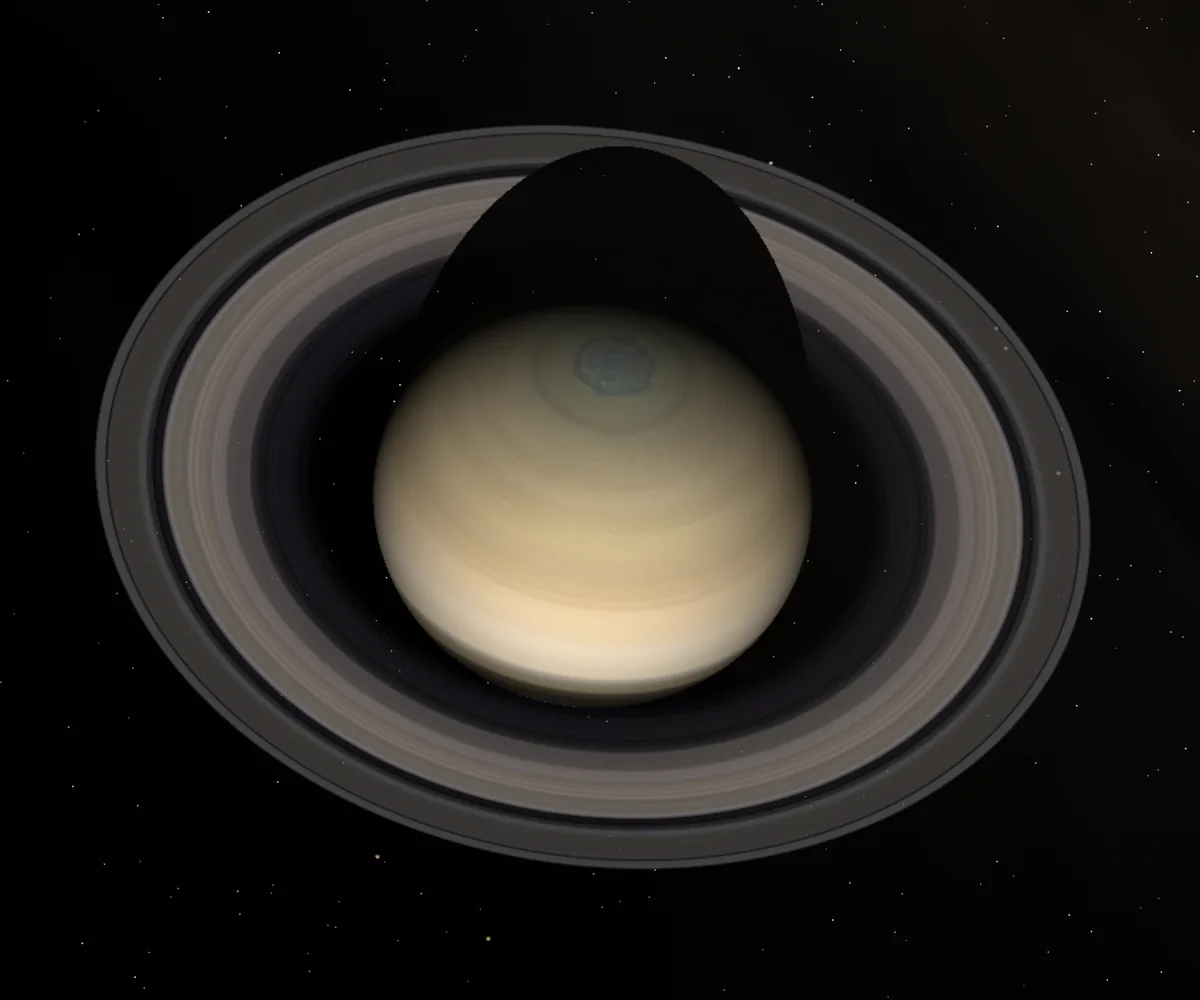
Saturn and its rings, lit from one side, against black space
Saturn’s rings
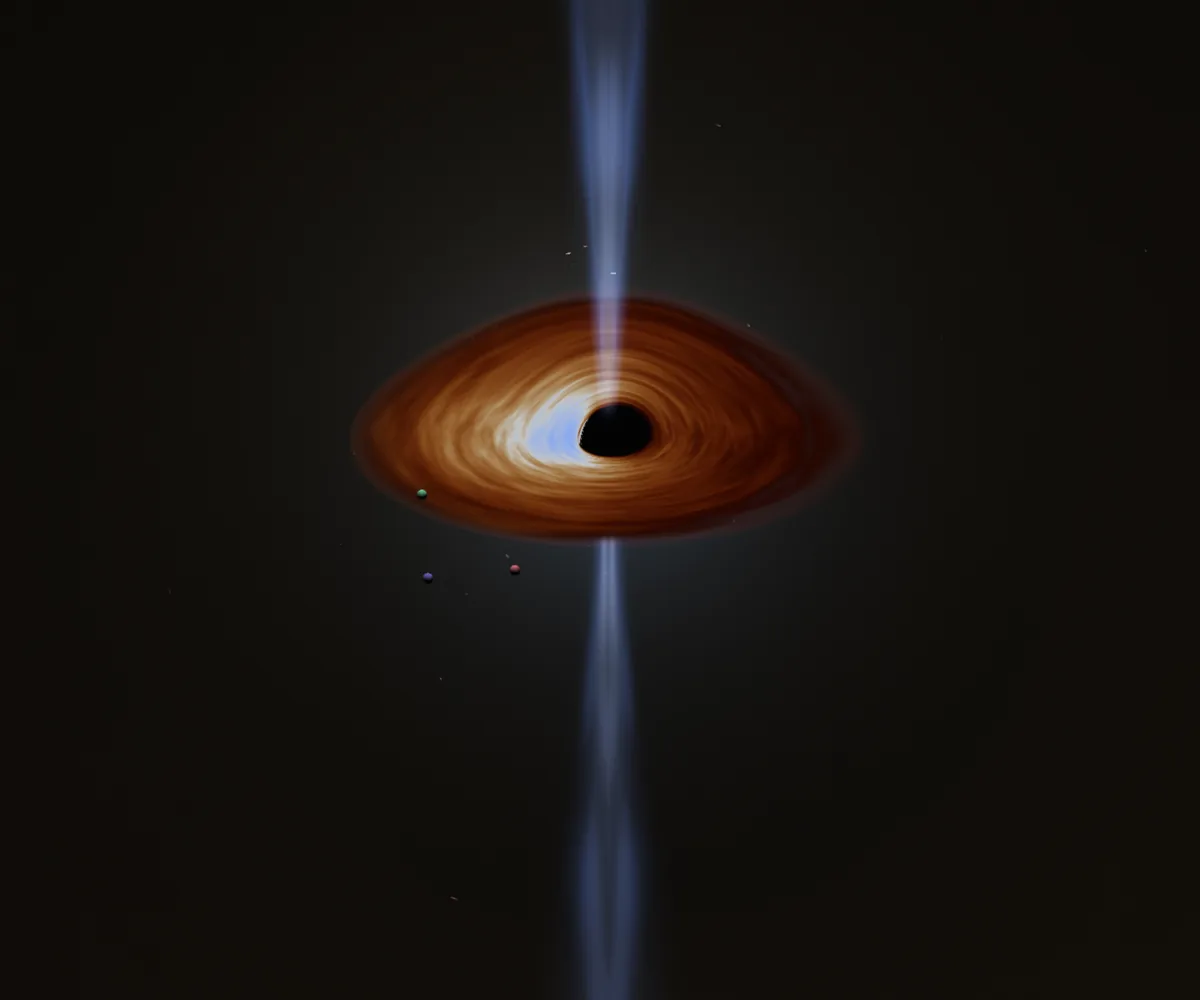
A black hole’s glowing orange disc seen nearly edge on, with blue jets above and below
A quasar
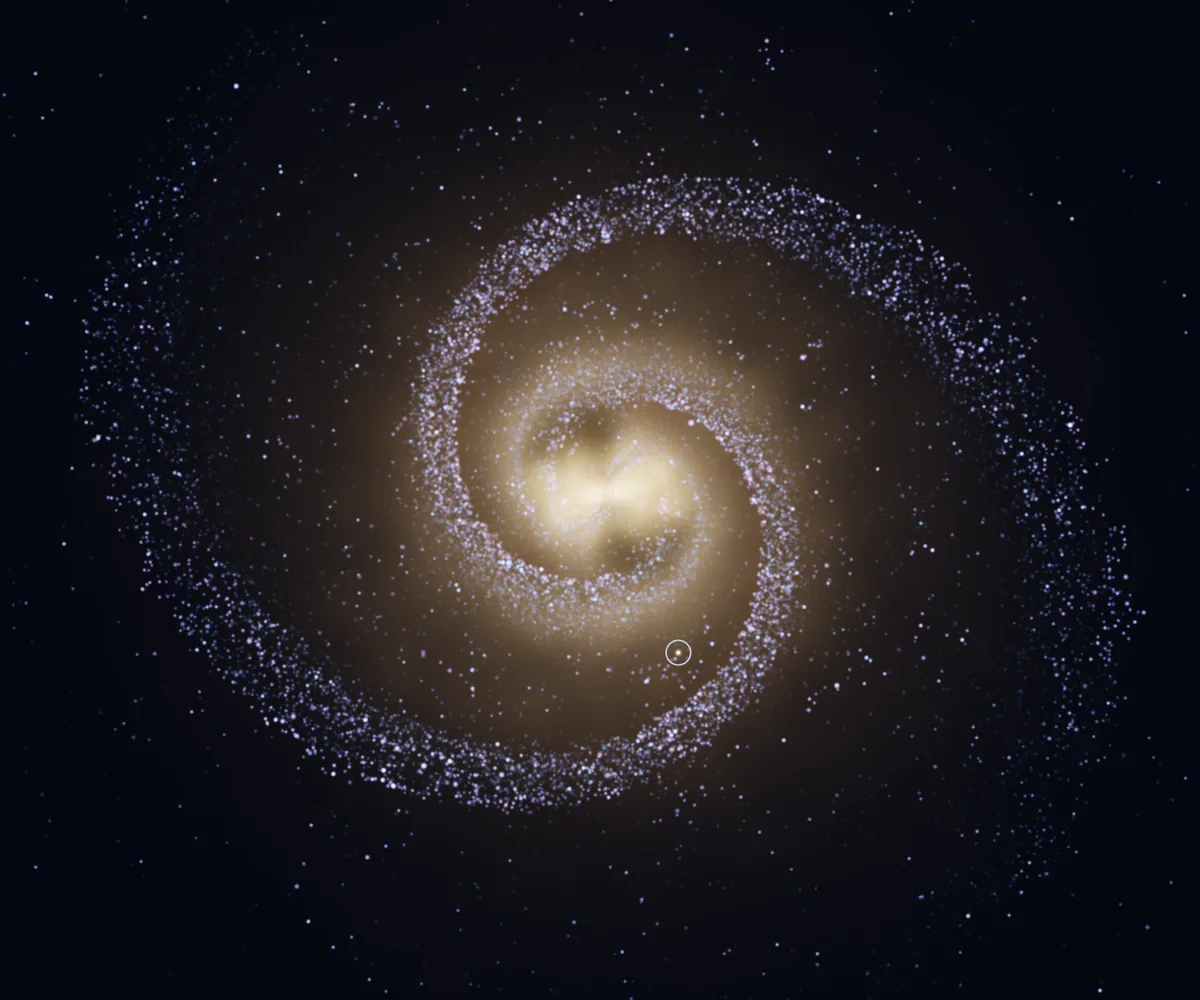
A barred spiral galaxy, golden at the centre, with blue-white arms of young stars
The Milky Way
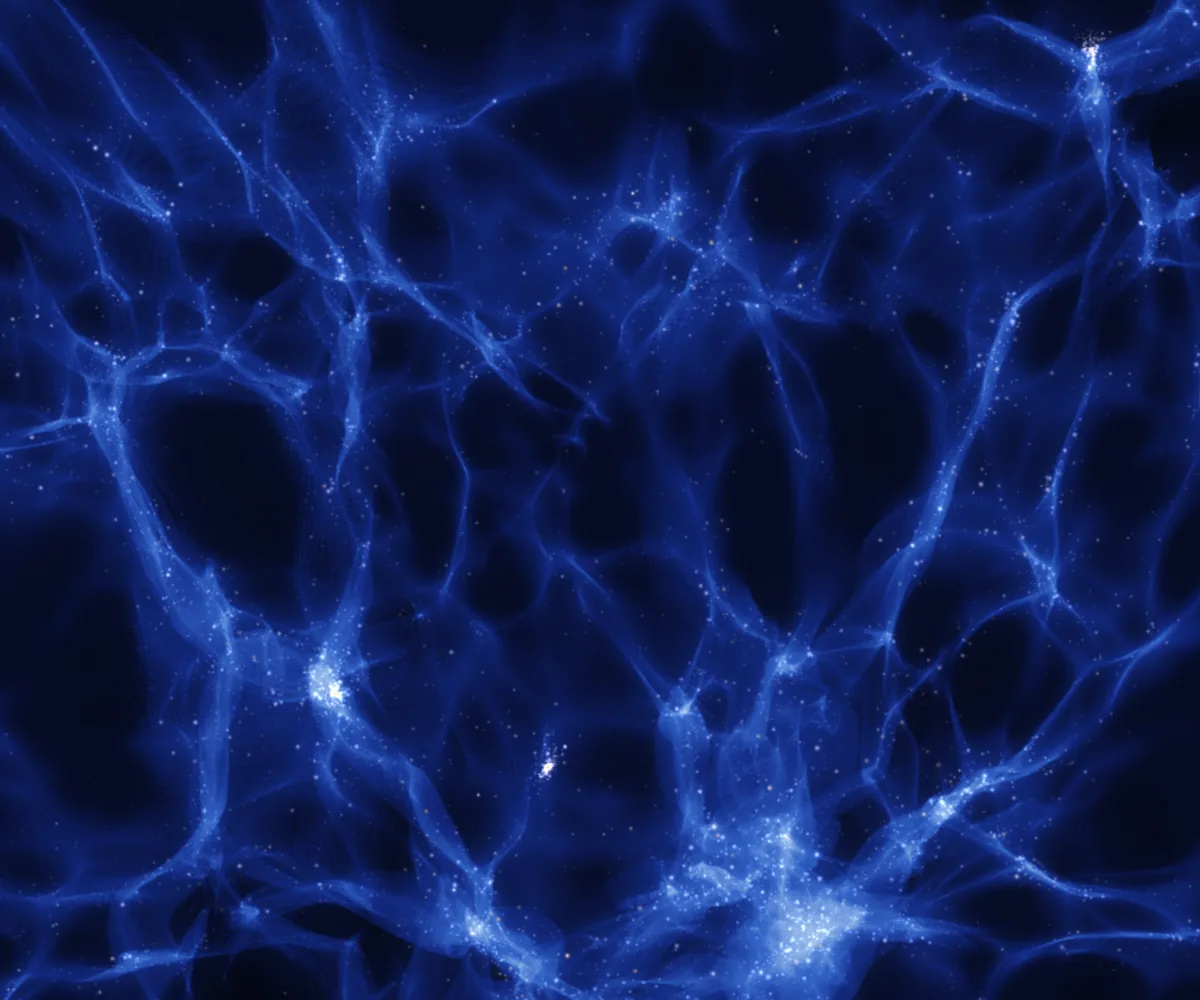
Blue filaments of galaxies crossing between knots, around dark voids
The cosmic web

Gravity and the universe

Start at the planets on any date and zoom out to galaxy clusters and the cosmic web.

galaxies to visit
2 trillion
stars in a galaxy like ours
140 billion
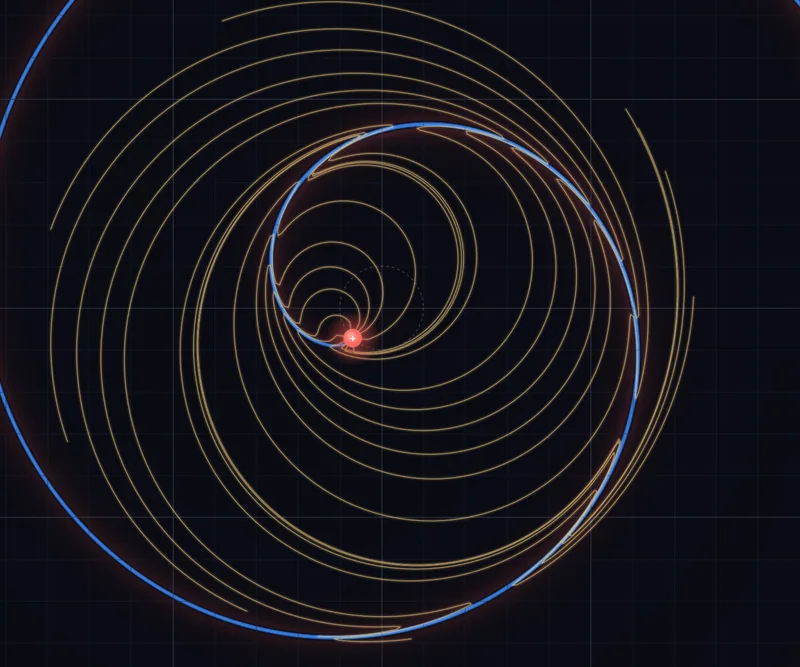
  • Real orbits for the planets, their moons, comets and spacecraft, on any date from 1800 to 2050
  • Black holes that tear stars apart, quasars, supernovae and merging black holes
  • One continuous zoom, past the Oort cloud and the Milky Way, with no loading screens between scales
  • 52 scenarios
  • Newton’s or Einstein’s gravity
  • Share a link to any place
Open the simulator
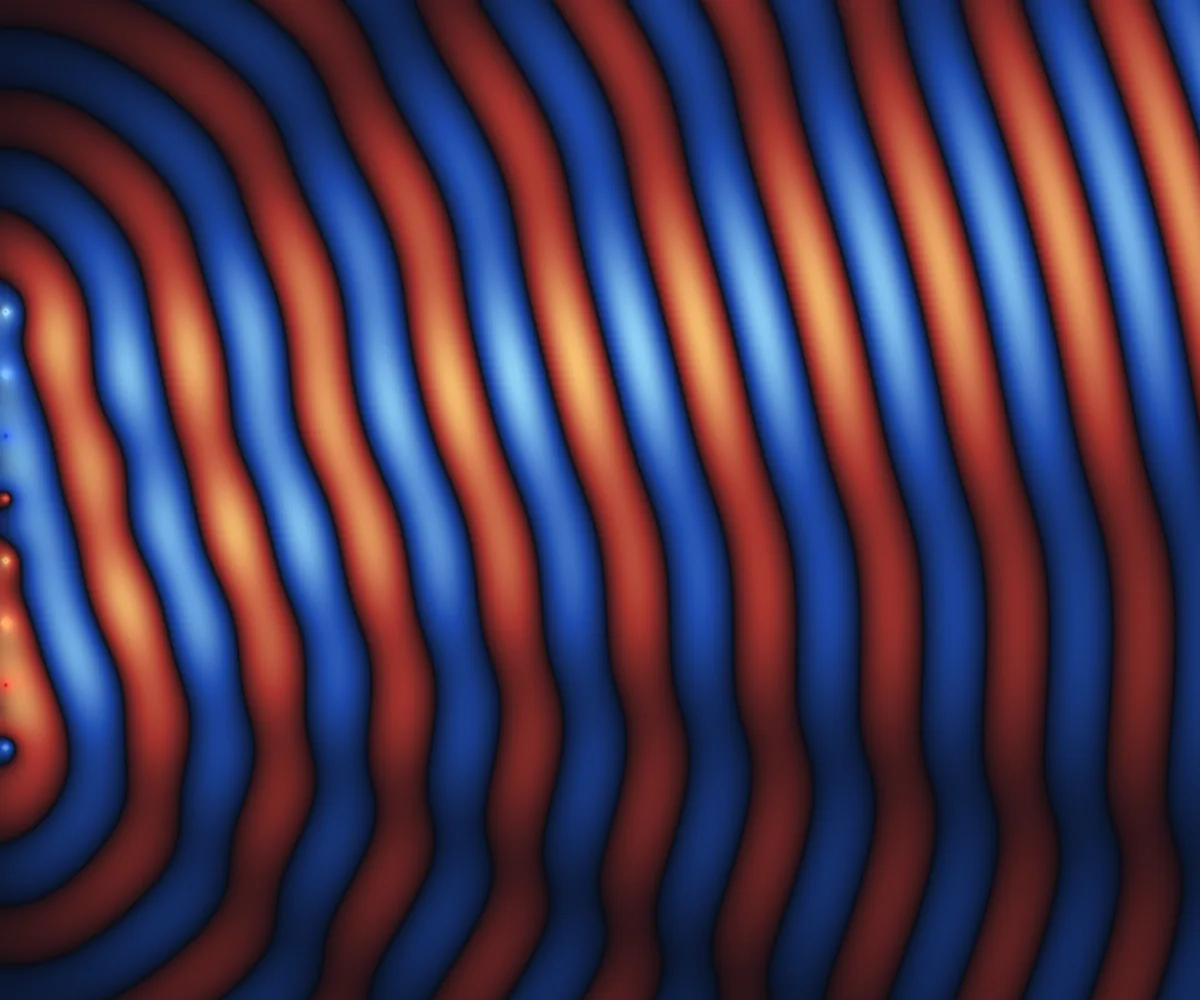
Red and blue wavefronts curving away from a row of antennas
A phased array
A charged particle spiralling in a magnetic field, its light spreading in rings
Synchrotron light
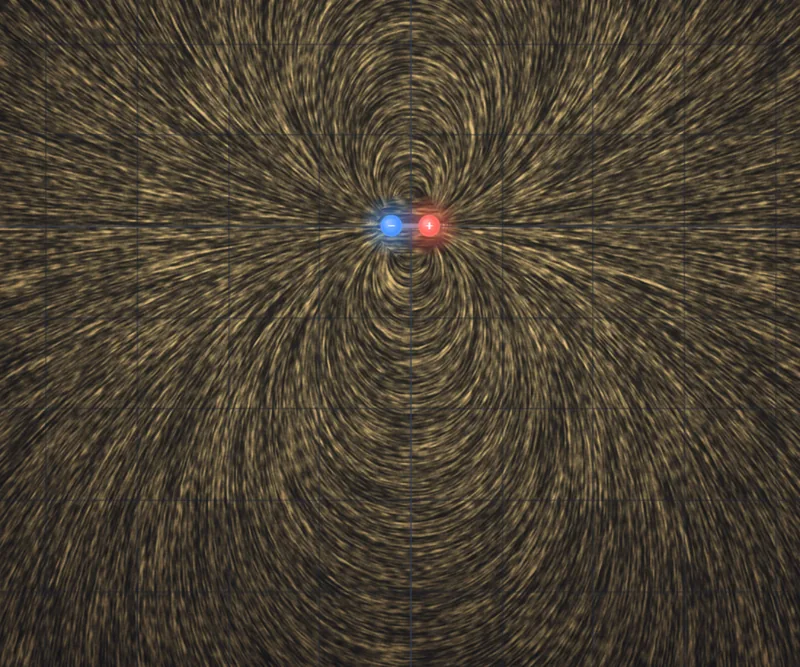
Golden field lines looping from a red positive charge to a blue negative one
A dipole’s field

Electromagnetism lab

From Coulomb’s law to cyclotrons, transformers, antennas and the aurora.

  • Place charges, currents and magnets, and read their fields in real units
  • Fire particles through fields, induce currents and broadcast from antennas
  • Each experiment compares your measurement with the textbook formula
  • 90 experiments
  • 10 topics
  • School and university courses
Open the electromagnetism lab
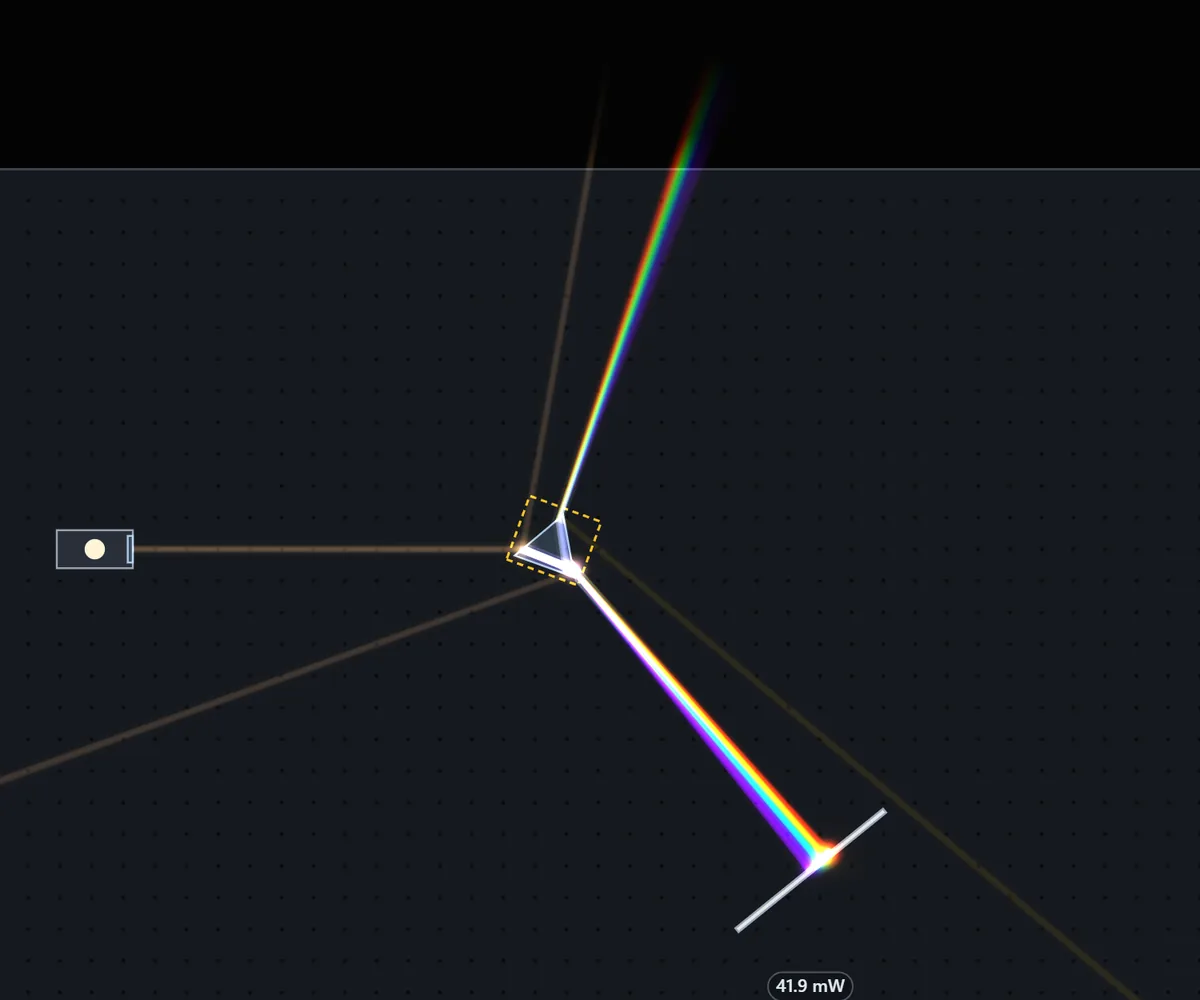
A white beam entering a glass prism and leaving as a fan of rainbow colours
A prism’s spectrum
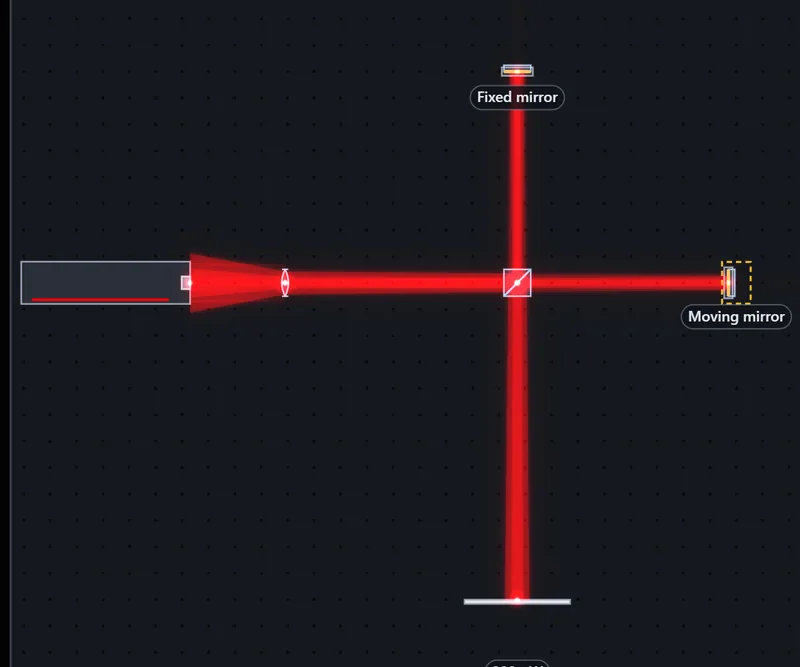
A red laser beam split into two arms at right angles by a beamsplitter
A Michelson interferometer
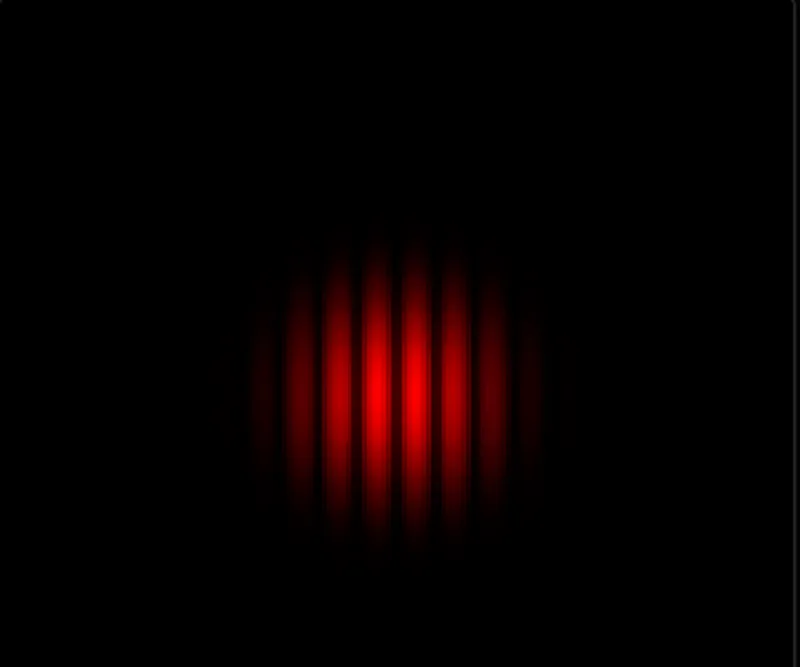
Red and dark interference fringes on a camera
Its fringes

Laser lab

A simulated optical bench: lasers, lenses, mirrors and the instruments to measure them.

  • Build interferometers, and line up prisms, polarisers and lenses to a millionth of a radian
  • Measure with cameras, power meters, spectrometers and photon counters
  • Build a working laser, then make it fire short pulses
  • 24 guided experiments
  • 5 topics
  • Save and share a setup
Open the laser lab
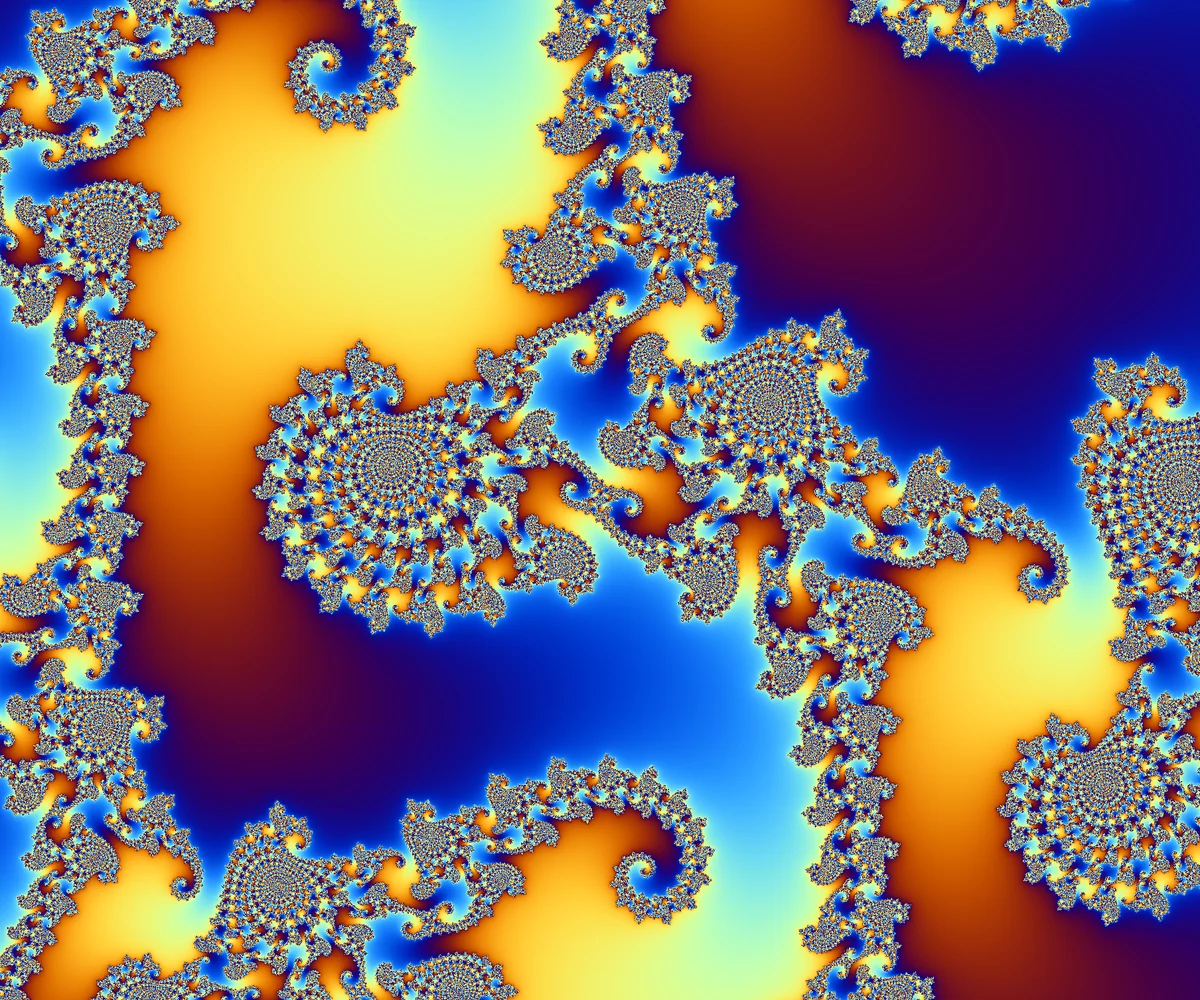
Gold and blue spirals of the Mandelbrot set, zoomed a hundred million times
A spiral 10⁸ times closer
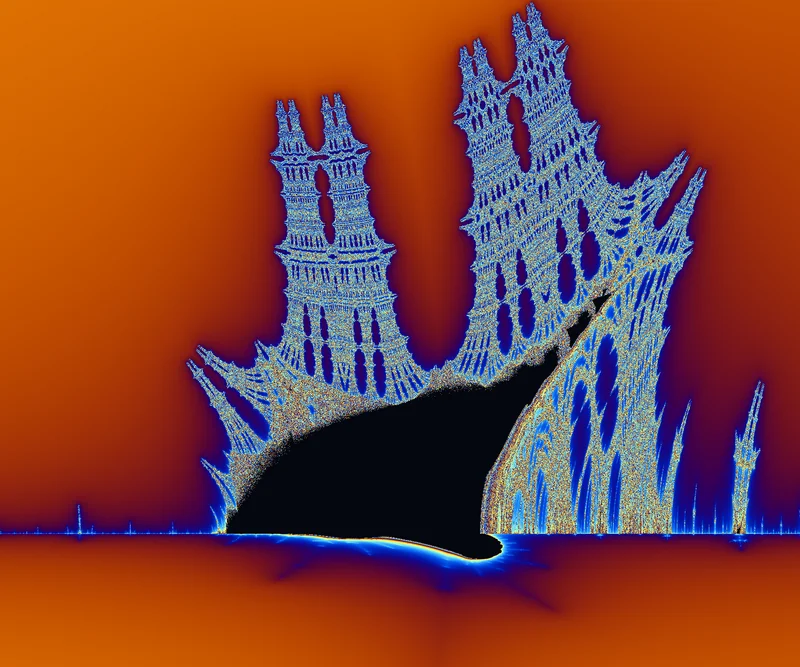
The Burning Ship fractal: a dark hull under spires of blue and gold
The Burning Ship
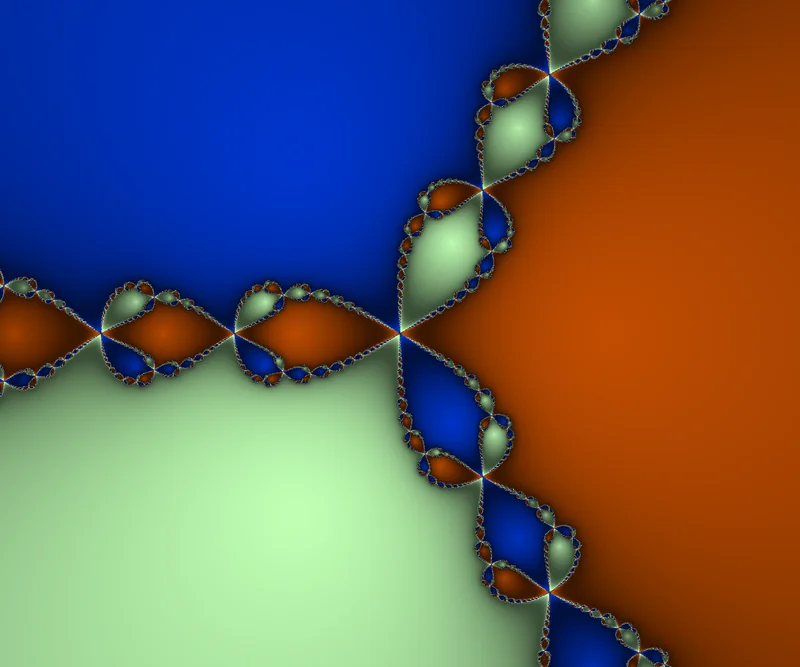
Blue, orange and green basins of a Newton fractal meeting in chains of bulbs
Newton’s method

Fractal zoom

Deep zoom into the Mandelbrot set and its relatives.

  • Zoom deeper than ordinary computer arithmetic allows, drawn on your graphics card
  • Drag the roots of a Newton fractal, or type in your own polynomial
  • Twelve colour palettes, lighting effects, and images up to 16K pixels wide
  • 6 families
  • Share the exact view
  • Image export
Open fractal zoom
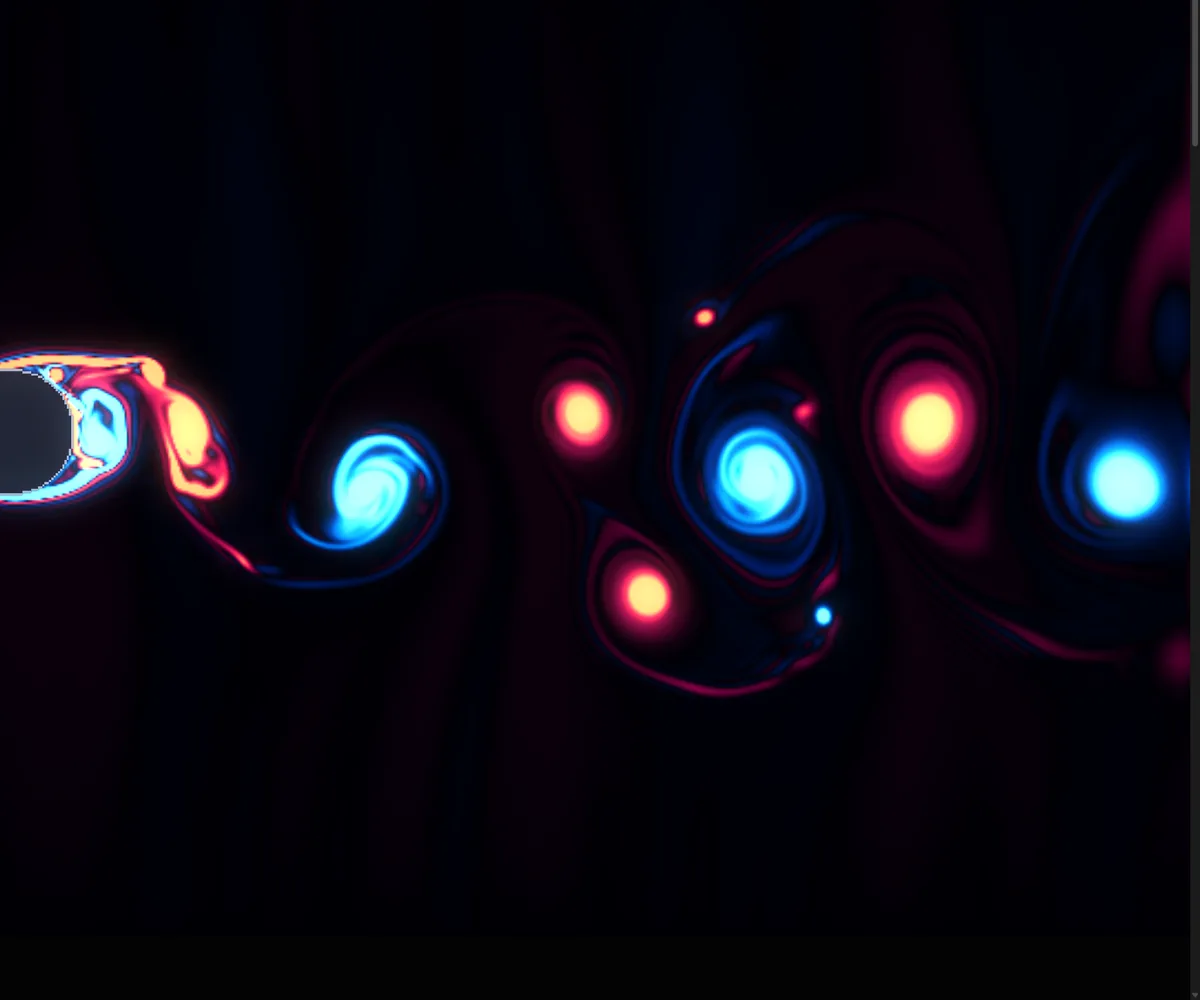
Red and blue vortices swirling downstream of a cylinder
Turbulence
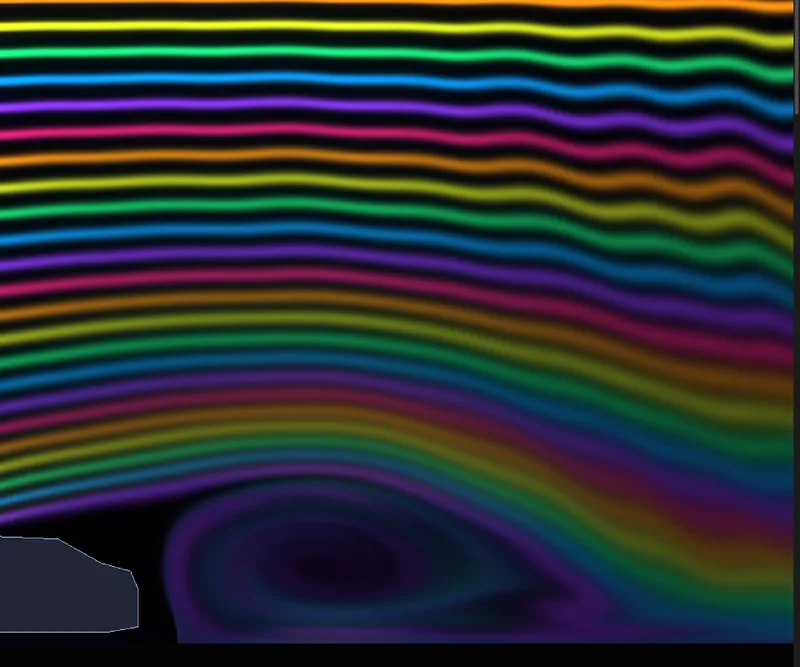
Rainbow streaks of dye flowing over a car, curling into its wake
Dye past a car
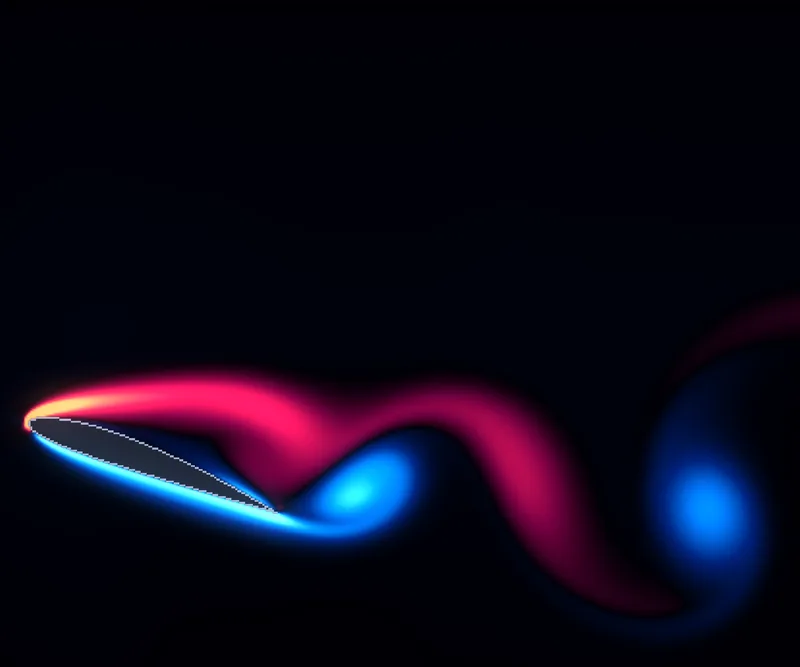
A stalled aerofoil shedding red and blue vortices
A wing at 20°

Wind tunnel

Air past cylinders, wings and a car, from a steady wake to turbulence.

  • Flows from a steady wake to swirling vortex trails, a stalled wing and 2D turbulence
  • Measure drag, lift and how often vortices peel off (the Strouhal number)
  • Draw your own shape, release dye, or show the pressure and the speed
  • 12 flows
  • Calm to turbulent flow
  • Drag and lift
Open the wind tunnel

More simulations

Smaller simulations where a few simple rules make surprising patterns.

Browse by topic

Every experiment, scenario and model, each with a page of its own.

90 in electricity and magnetism

All 244 pages as a list

Space and gravity

Electricity and magnetism

Light and waves

Atoms and matter

Motion and flow

Heat and phase transitions

Complex systems

Mathematics

In the classroom

Set up an experiment, share one link, and every student opens the same board.

  • Predict, then run Electromagnetism guides ask students to predict the result before they run the experiment.
  • Course paths A school course and a first university course through the electromagnetism lab, and two courses through atoms and the periodic table, topic by topic.
  • Lock the board Lock an electromagnetism set-up so students can measure it but not move its parts.
  • Readouts when asked Hide the electromagnetism lab’s numbers until a student takes a measurement.
  • One link per set-up Share the experiment with its view and settings, and everyone opens the same set-up.
  • On any device Runs in the browser, phones and tablets included. No account, nothing to install.
  • A guide with each Each lab explains the science and gives the formula to check each measurement against.