OpenWorldLab

Early preview. Send feedback

For teachers and curious people

Change a value and watch what happens

Simulations of real physics and maths run in your browser, each with a written guide. You don't need an account to use any of them, so you can send a class the link and start.

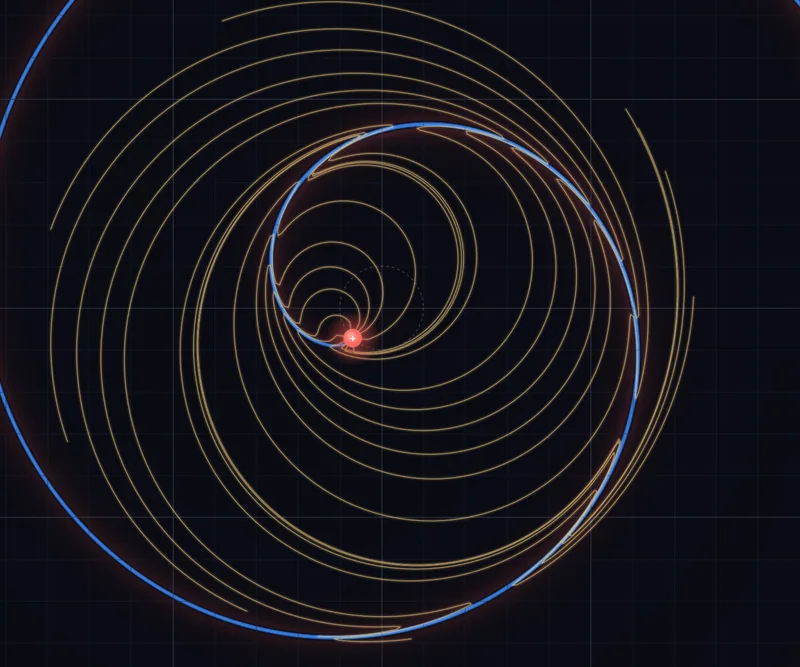
The path of a charged particle spiralling in a magnetic field, traced in the Electromagnetism lab
A render from Electromagnetism, the simulation that holds both courses below.

The Playground

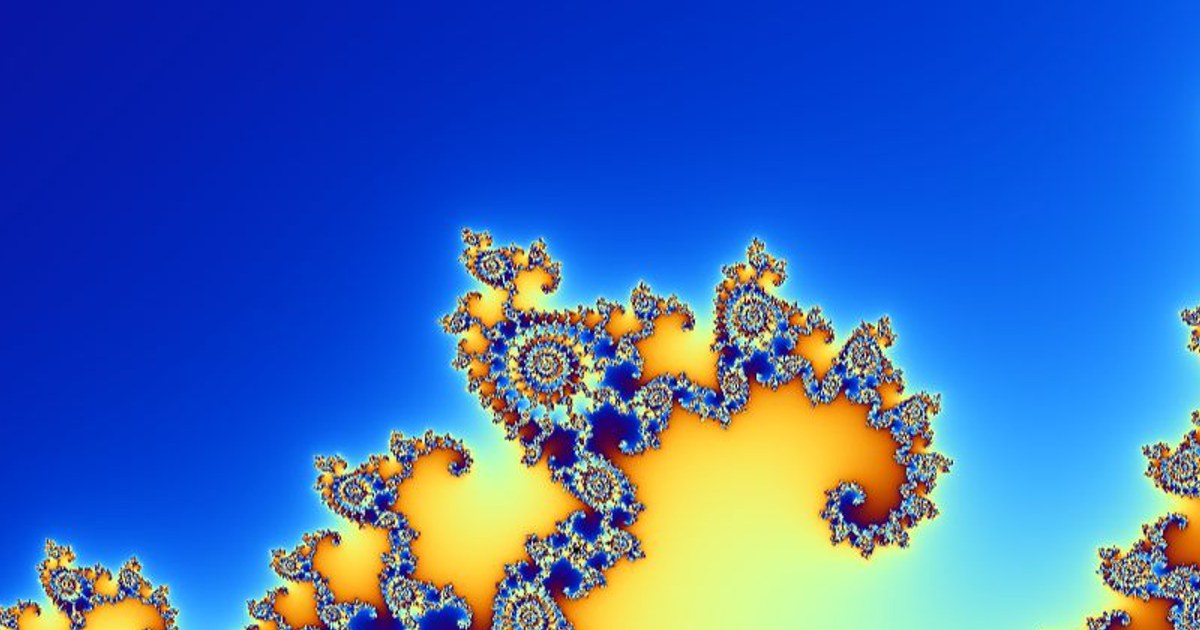
  • Gold spirals and filaments on the edge of the Mandelbrot set, against a blue background Fractal Zoom

    Zoom deep into the Mandelbrot set, Julia sets and the Burning Ship, or drag the roots of a Newton fractal.

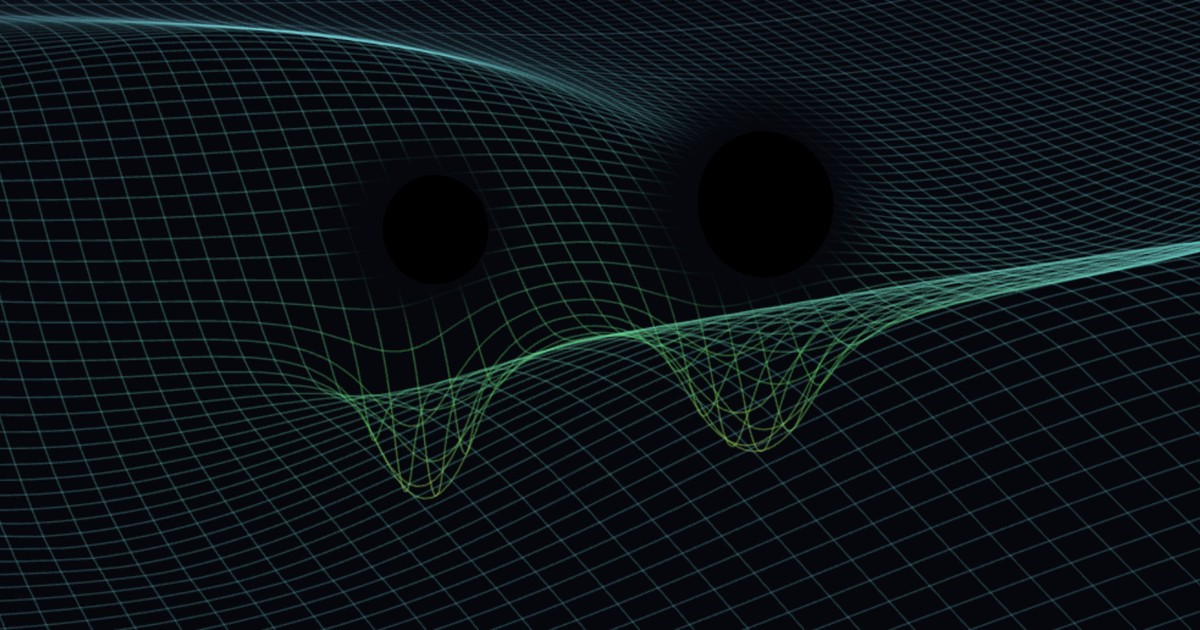
  • Two black holes orbiting each other, each sinking a deep funnel into a curved grid as a gravitational wave sweeps across it Universe Simulator

    Launch planets and merge black holes, then zoom out past the Oort cloud and the Milky Way to galaxy clusters and the cosmic web.

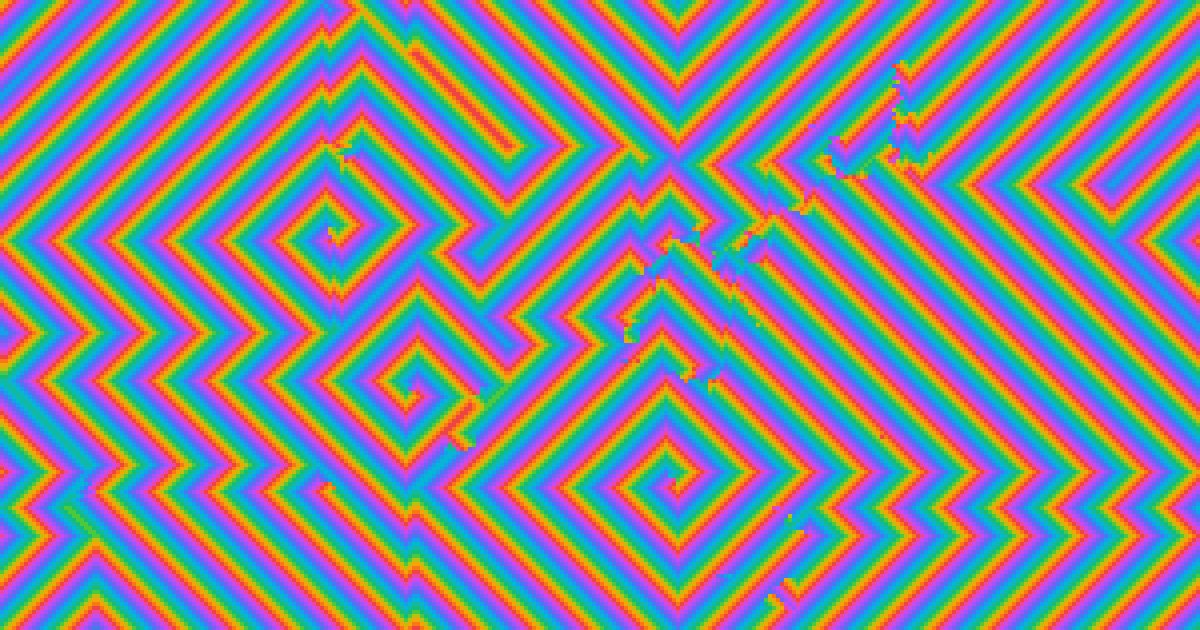
  • Rainbow spirals of a cyclic cellular automaton filling the grid Cellular Automata

    The Game of Life, spiral waves, sandpiles, Langton’s ant and all 256 one-dimensional rules.

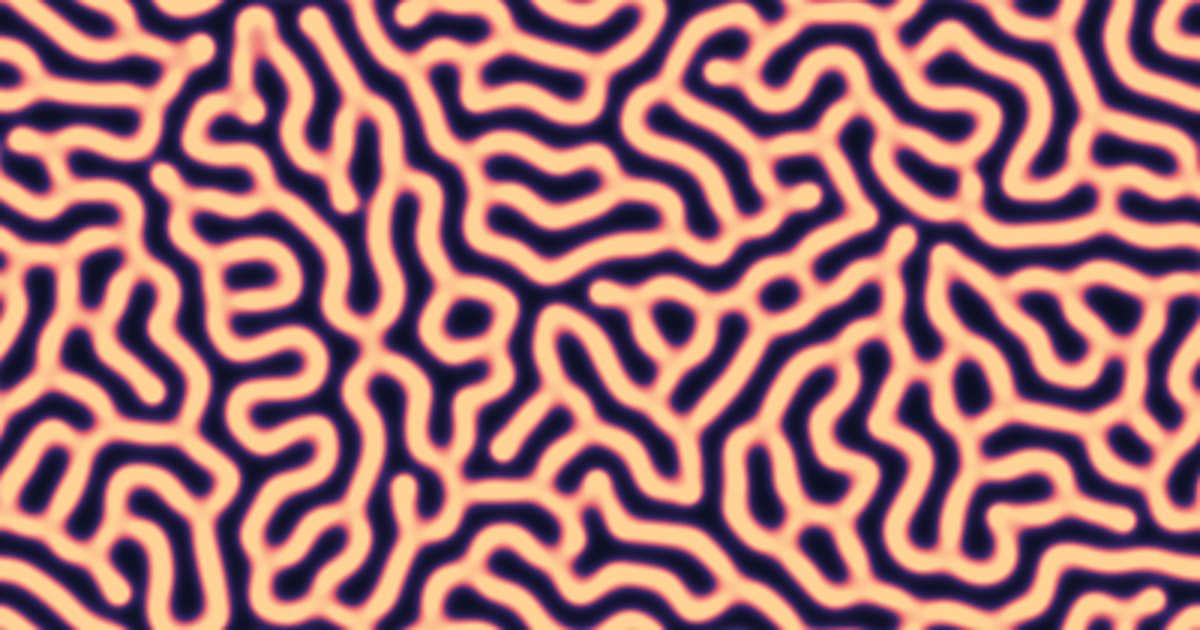
  • Cream maze-like stripes of a Gray–Scott reaction–diffusion pattern on a dark background Reaction–Diffusion

    Two chemicals, one reaction: spots, stripes, mazes and dividing cells from the Gray–Scott model.

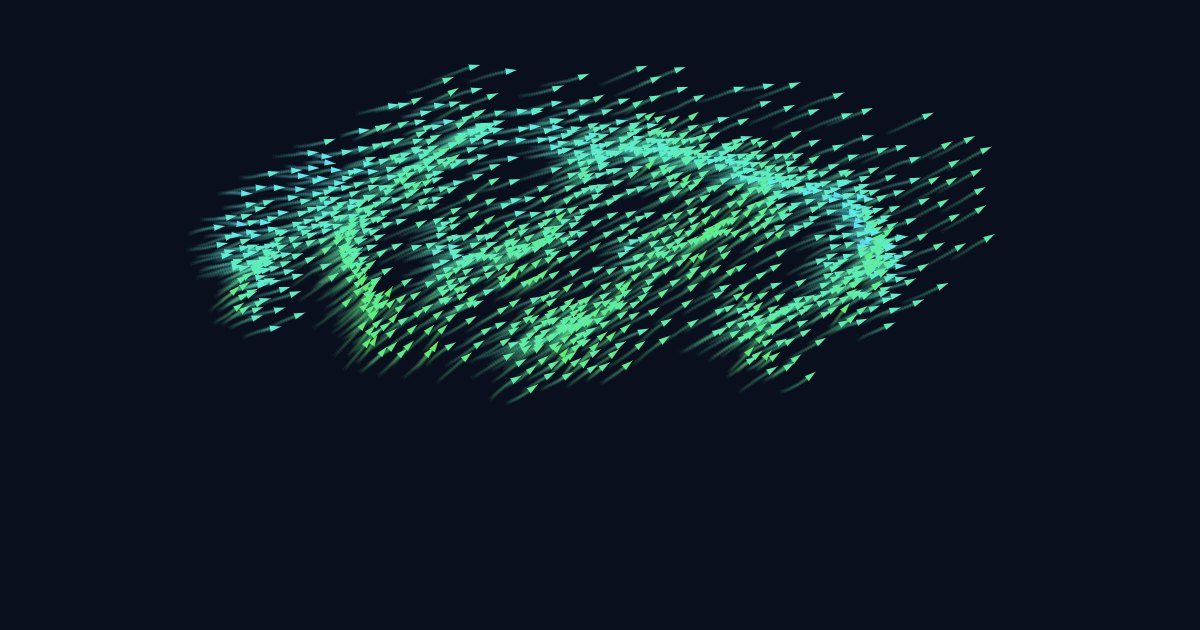
  • A flock of green arrow-shaped birds moving together across a dark sky Flocking

    Hundreds of birds following three local rules, and a hawk to scatter them.

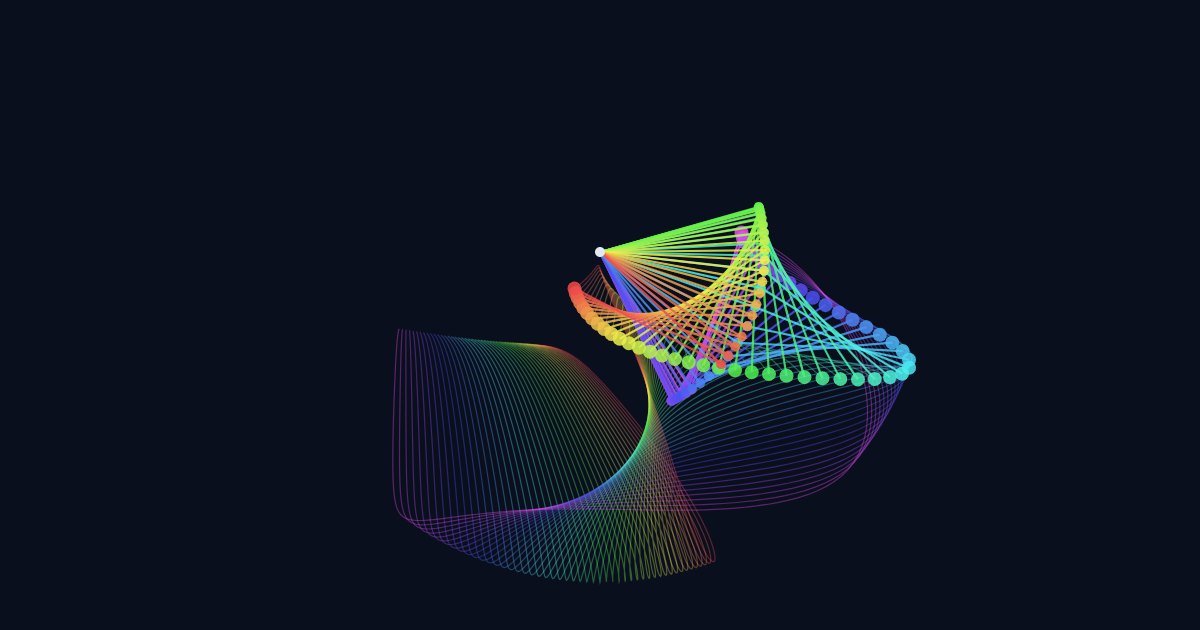
  • Dozens of rainbow-coloured double pendulums fanning apart from almost the same start Double Pendulum

    Release fifty double, triple or quadruple pendulums a billionth of a radian apart and watch how soon they part.

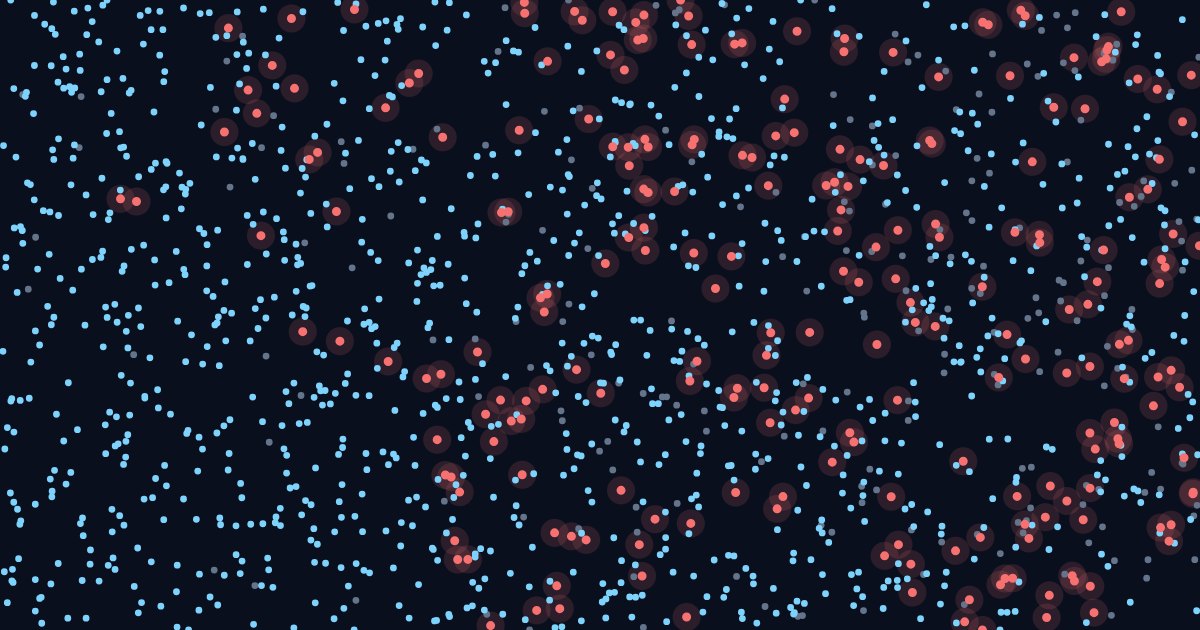
  • Blue healthy and red infected dots spreading through a crowd Epidemic Simulator

    An outbreak spreading person to person, next to the textbook prediction it is meant to follow.

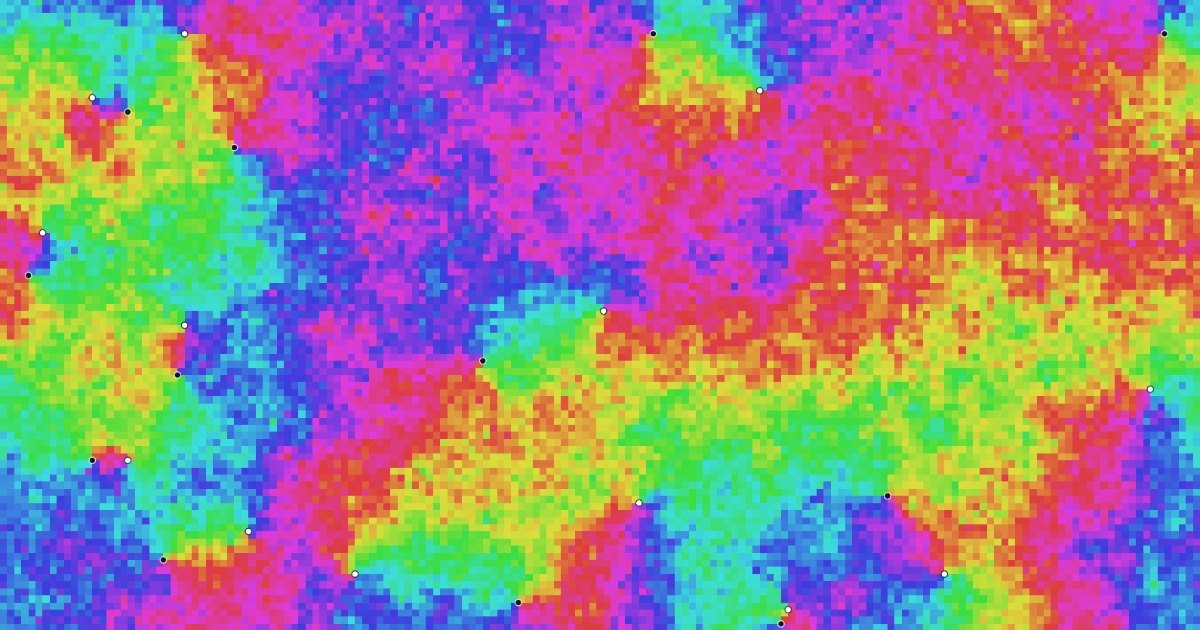
  • Patches of colour in an XY model, with vortices marked as small dots Phase Transitions

    Heat and cool tiny magnets, spinning arrows and forest fires, and find the one point where order appears.

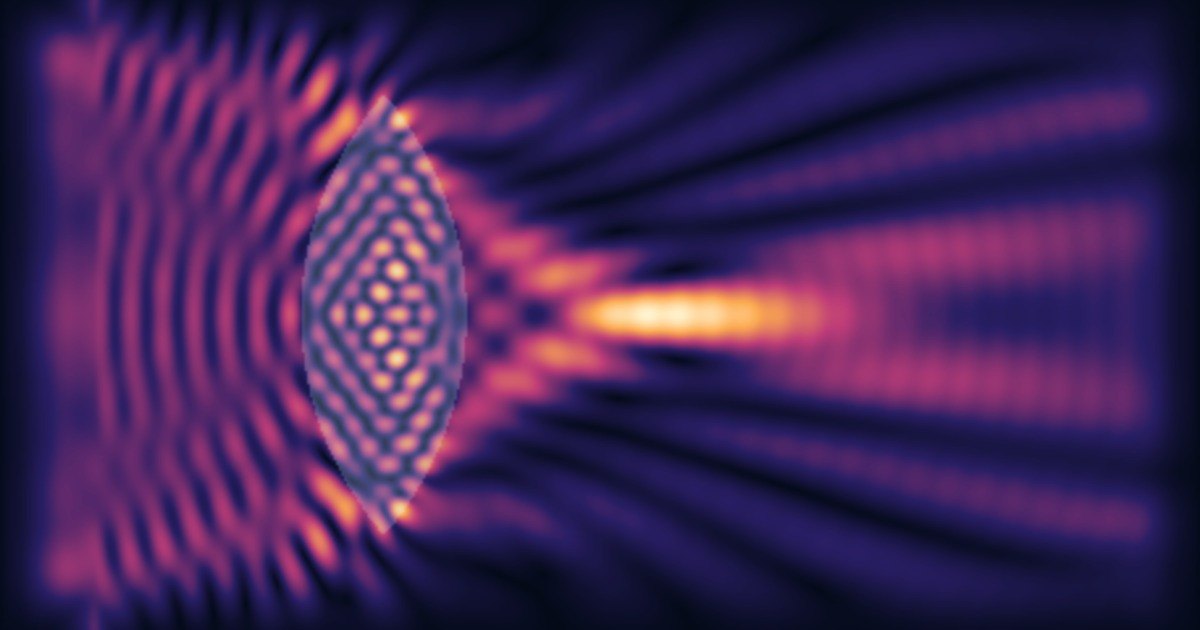
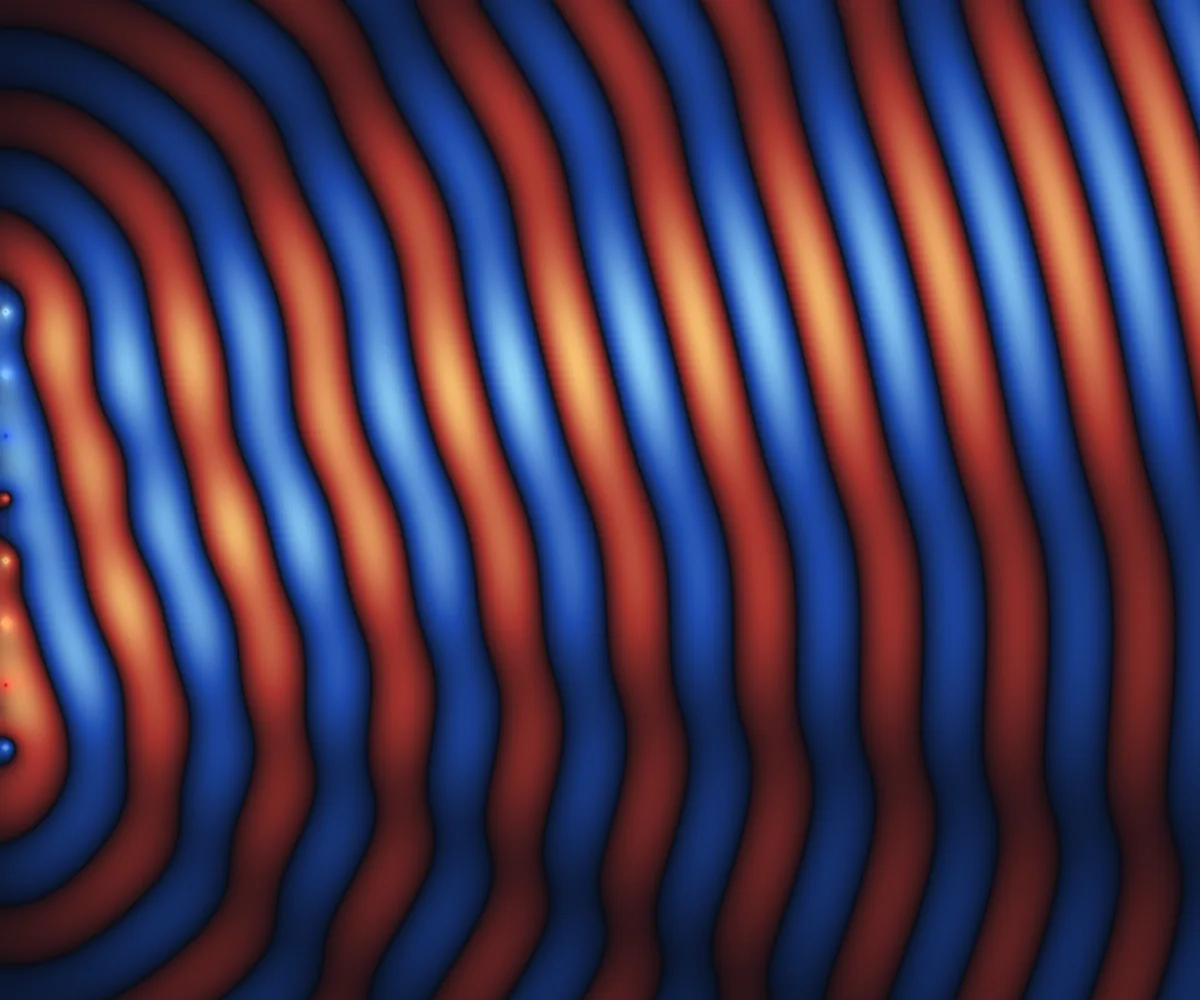
  • Waves focused by a lens into a bright spot, with interference fringes around it Waves

    Send ripples through slits, lenses and mirrors, then measure the fringes against the textbook.

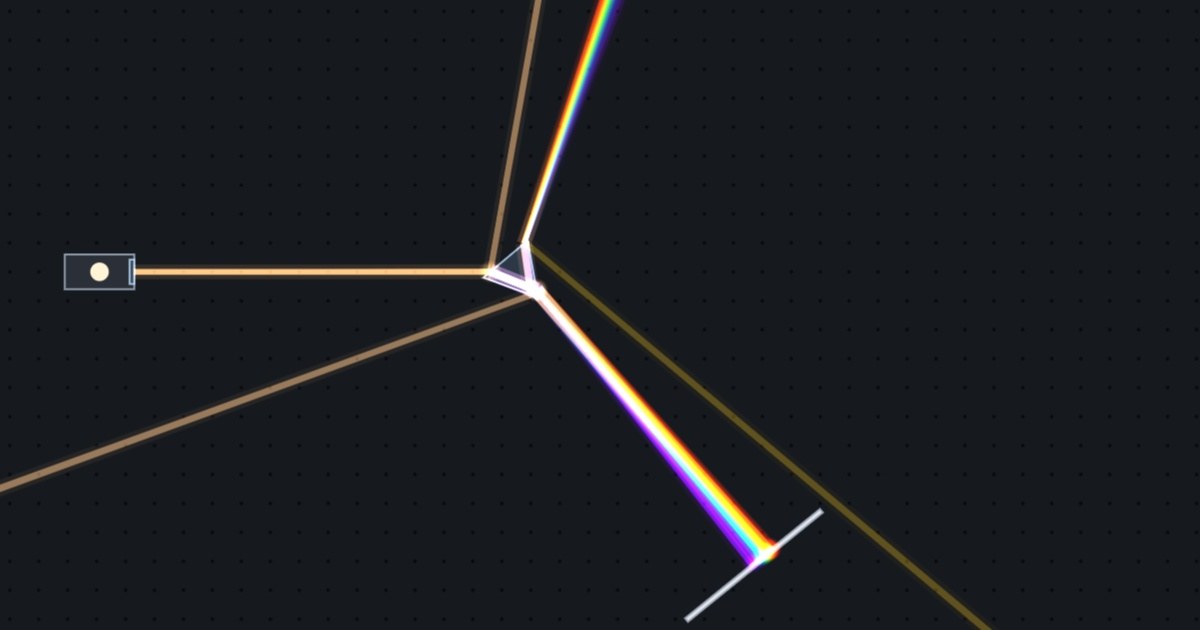
  • White light entering a glass prism on a dark optical table and fanning out into a rainbow on a screen Laser Lab

    Build interferometers, prisms and pulsed lasers on an optical table in real units, or follow a guided experiment.

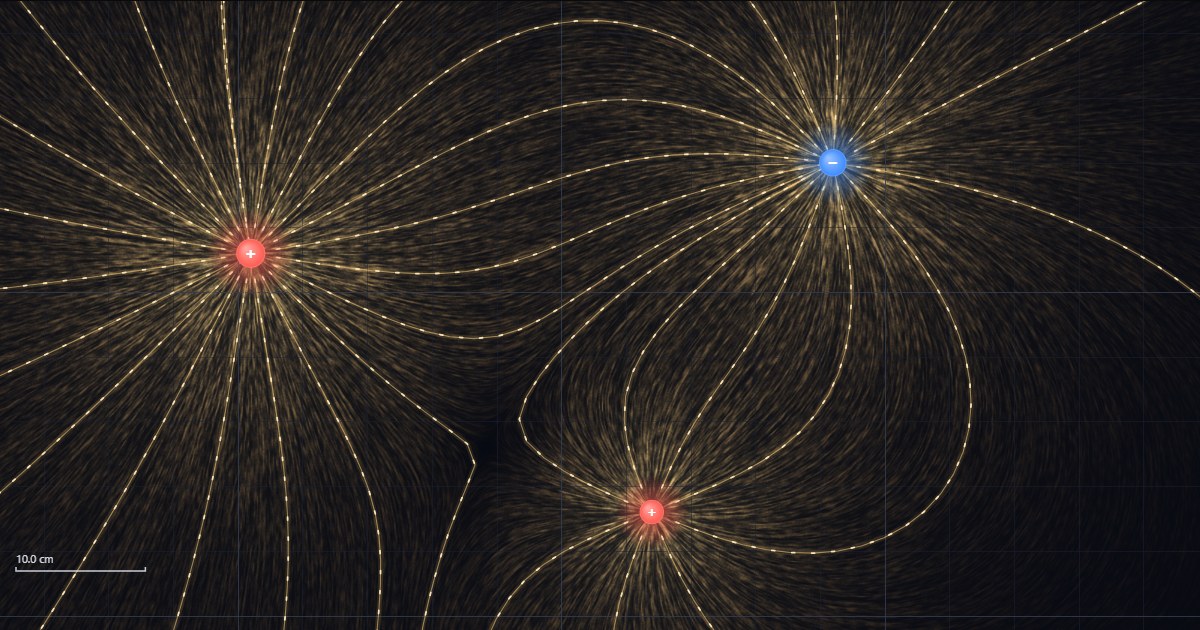
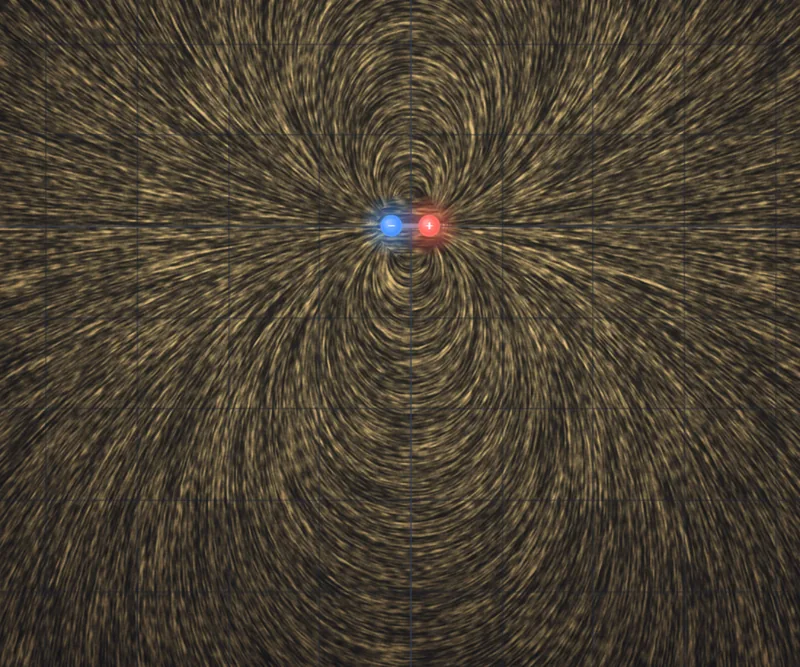
  • Amber field lines flowing from a coral positive charge to a blue negative one on a dark board Electromagnetism

    Place charges, currents and magnets, fire particles through their fields and broadcast from antennas, in real units.

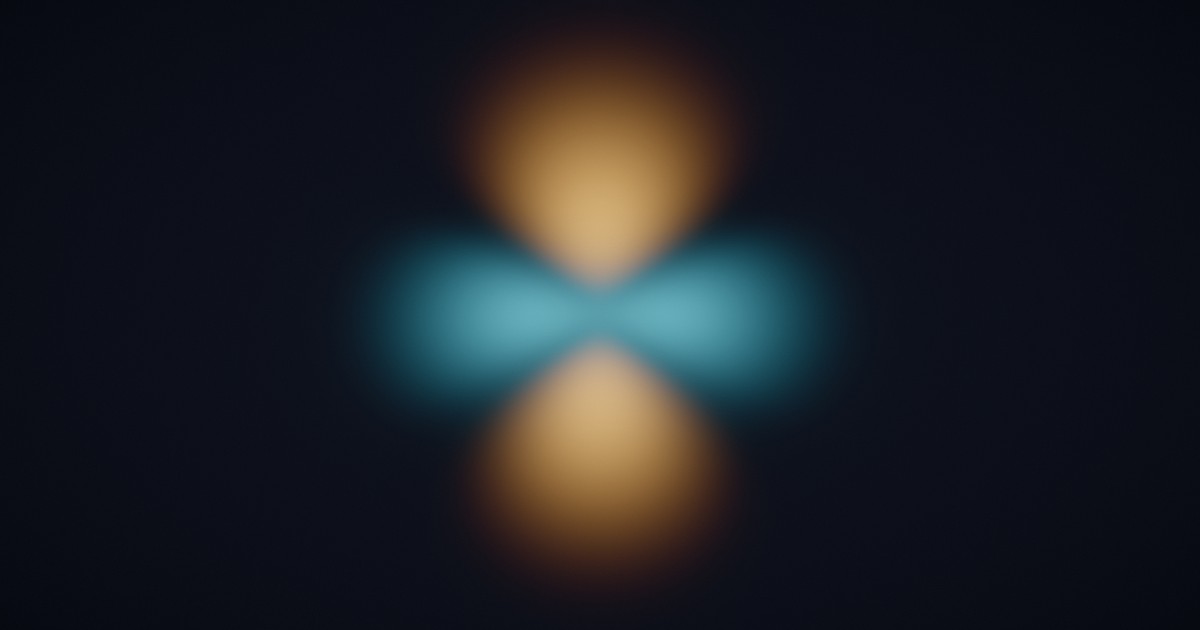
  • A glowing 3d orbital of hydrogen on a dark stage: two amber lobes along the axis and a cyan ring around the middle Atoms and Orbitals

    Open any element’s atom, computed from quantum mechanics and cut away to show its shells, morph the periodic table, and build hydrogen’s exact orbitals.

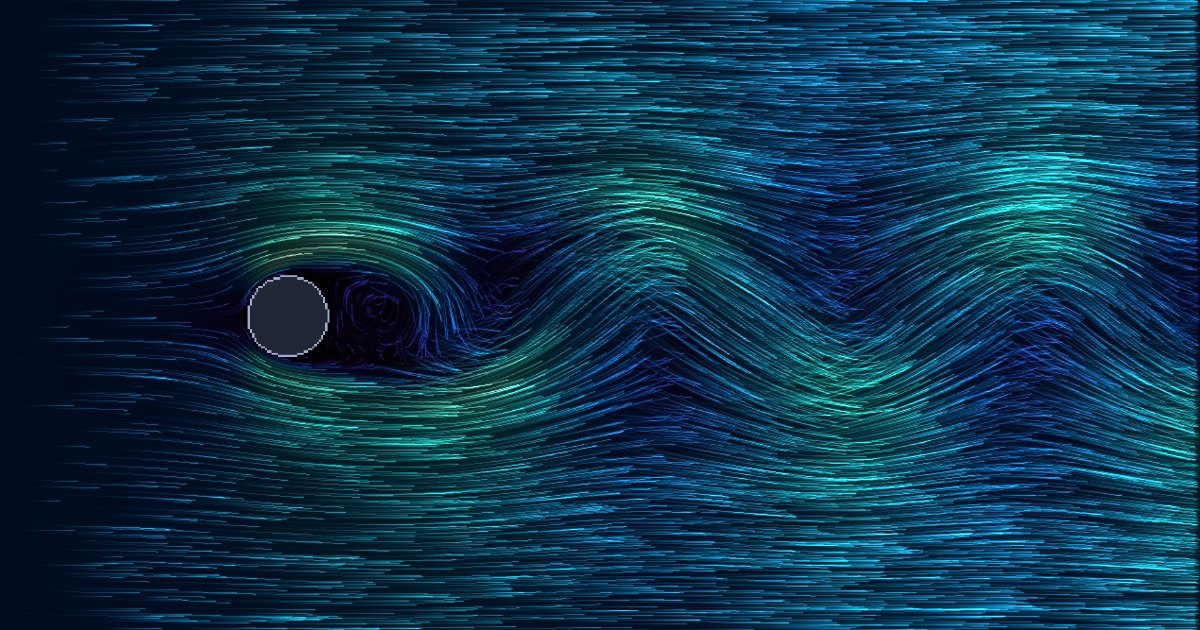
  • Streamlines of air flowing past a circle and curling into a vortex street Wind Tunnel

    Put a wing, a car or a shape you draw in a stream of air, and watch vortices peel off and lift turn to stall.

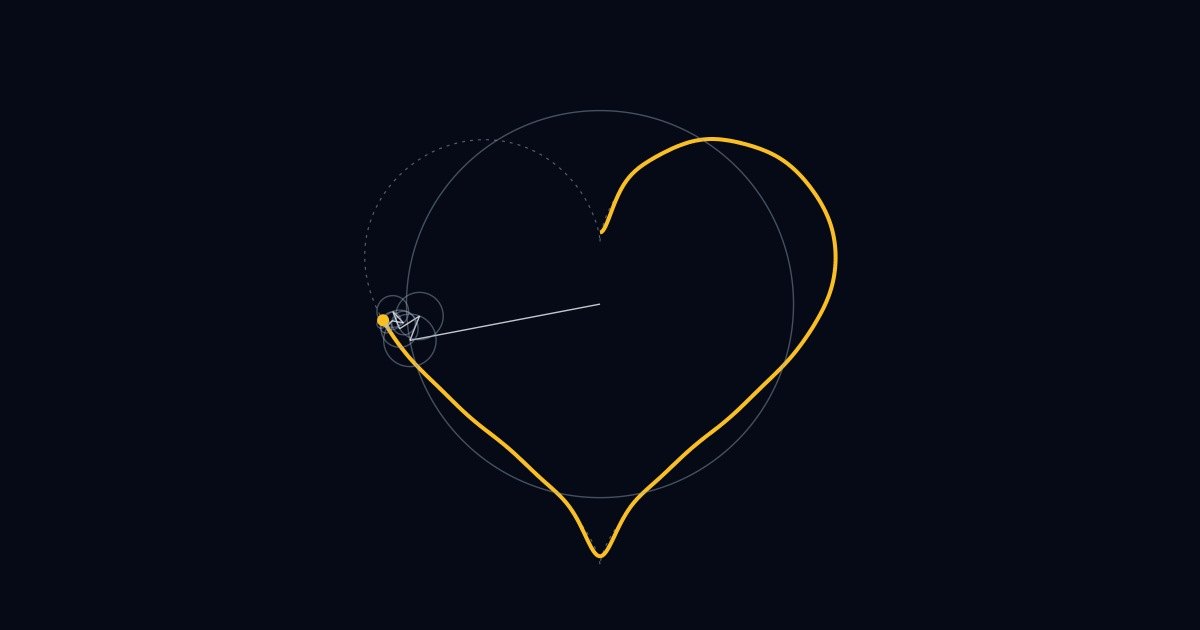
  • A gold heart traced by a chain of spinning Fourier circles Fourier Epicycles

    Draw any closed shape, watch a chain of spinning circles trace it, then listen to it.

Two courses through electromagnetism

Each course puts the experiments in the order a class meets them. Every step opens on its own board with a guide underneath.

Field lines looping between a positive and a negative charge, drawn like iron filings, in the Electromagnetism lab

A school course

Ages 16 to 18: fields, circuits, magnetism and induction, in the usual order.

31 experiments. The first is Coulomb’s law.

Start the school course

Red and blue wavefronts spreading from a phased array of antennas in the Electromagnetism lab

A first university course

Electricity and magnetism in the order of Purcell and Morin or Griffiths, from Gauss’s law to radiation.

36 experiments: 9 school, 27 university. The first is Superposition.

Start the first university course

Three activities to run in a lesson

Each one opens ready to go. The expected results come from the simulators' own guides and presets, so your class should see the same.

  1. White light entering a glass prism on a dark optical table and fanning out into a rainbow on a screen

    Laser Lab

    Young’s double slit

    Level
    School physics, ages 16 to 18
    Time
    About 15 minutes
    Objective
    Measure the spacing of the fringes on the screen and compare it with λL/d, the textbook formula.
    What to do
    Zoom the screen card in, walk the cursor from one bright fringe to the next, then halve the slit separation and measure again.
    What to expect
    The fringes sit about 2.3 mm apart, as λL/d predicts. With half the separation they spread to about 4.4 mm, twice as far.
    Open Laser Lab
  2. Blue healthy and red infected dots spreading through a crowd

    Epidemic Simulator

    Herd immunity

    Level
    Secondary school and up
    Time
    About 15 minutes
    Objective
    See why vaccinating part of a population protects people who were not vaccinated.
    What to do
    Run the Contagious (R₀ 3) outbreak once with nobody vaccinated. Then press "Vaccinate just past the threshold" and run it again.
    What to expect
    The threshold is 1 − 1/R₀, 67% for this outbreak. Without vaccination most people catch it. Past the threshold, chains of infection usually die out early.
    Open Epidemic Simulator
  3. Dozens of rainbow-coloured double pendulums fanning apart from almost the same start

    Double Pendulum

    How chaos starts

    Level
    Any age
    Time
    About 10 minutes
    Objective
    See a difference far too small to measure grow until no one could predict the motion.
    What to do
    Watch the "Raised high" start the page opens with, where each pendulum starts a billionth of a radian further out than the last. Then choose "Gentle swing".
    What to expect
    The pendulums start well above horizontal, with enough energy to throw the lower arms over the top. After about 18 seconds the billionth of a radian between them shows, and from then on each swings its own way. In the gentle swing the pendulums stay together for as long as you watch.
    Open Double Pendulum

Then follow the science further

Map the papers behind a topic, or read researchers writing about their own results. If you sign in, Explain puts any passage you select into plain words.
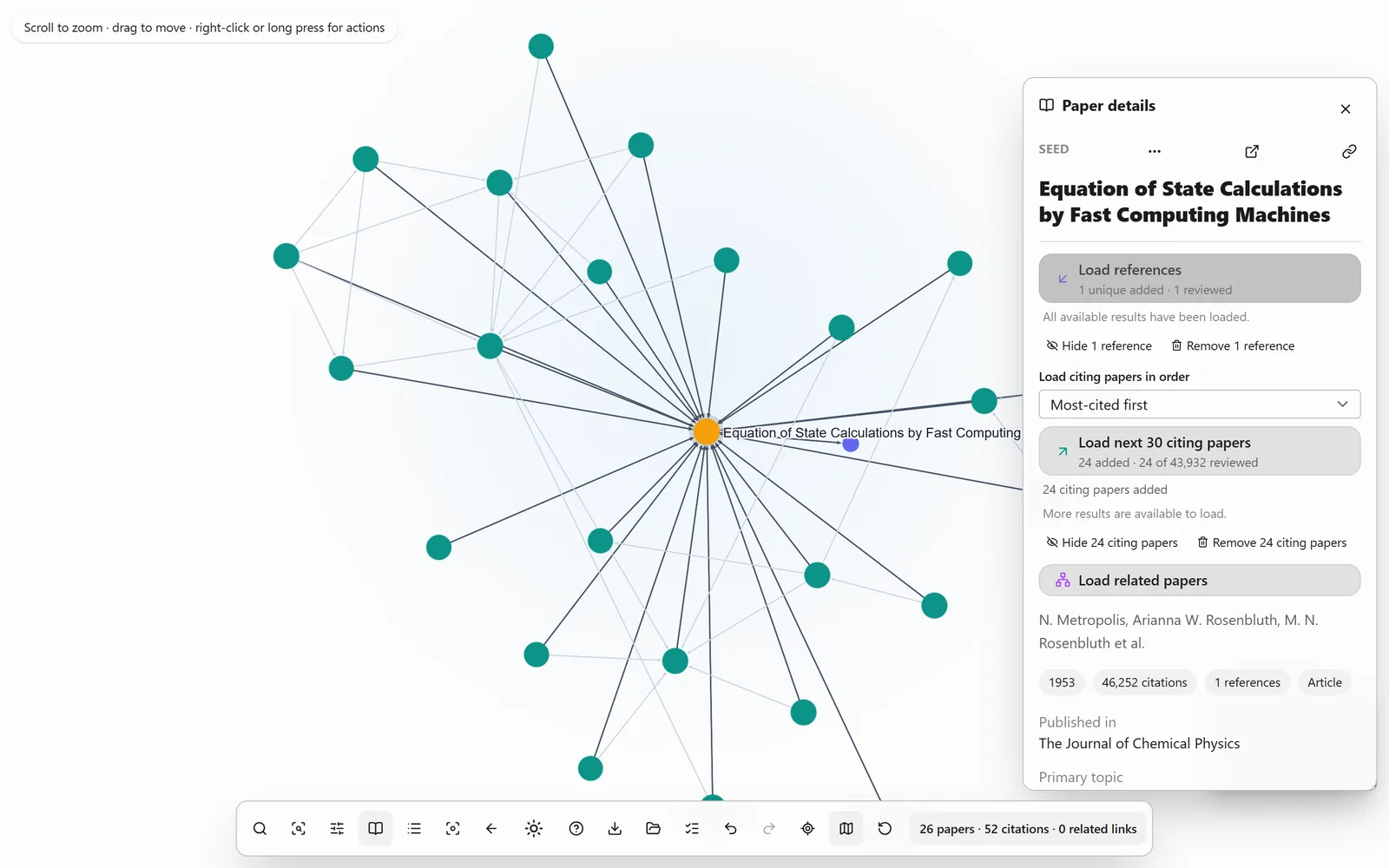
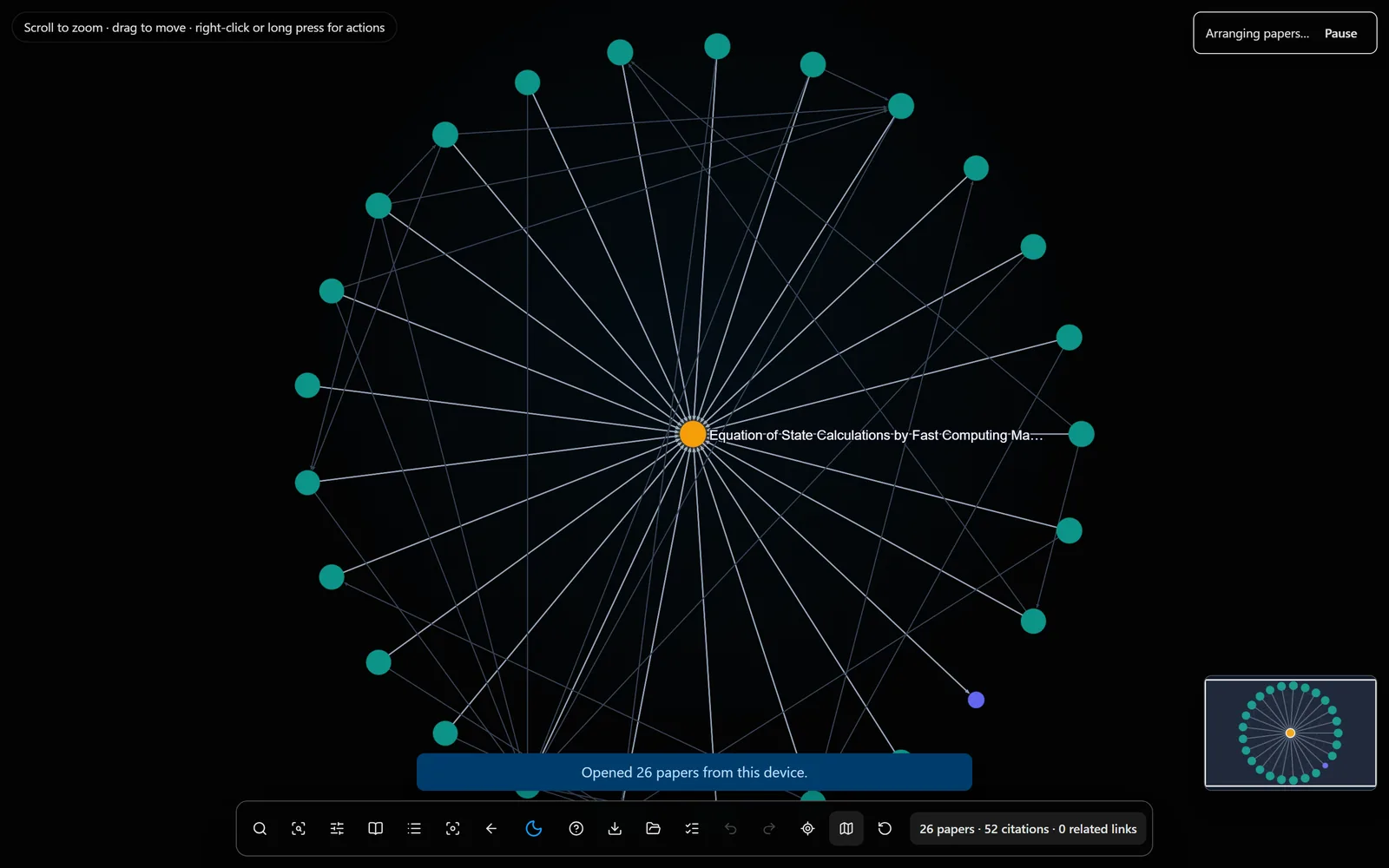
Literature Explorer
Search for a paper and see what it cites and what cites it, drawn as a graph you can walk through.
Research Area Explorer
Browse more than 6,000 research areas, from broad disciplines down to single topics, and see the articles, people and groups in each.
Articles from the people doing the work
Researchers write about their own results here, with maths, code and figures.
Explain for me
Select a passage you don’t follow and OWL explains it at your level. It learns what you already know as you read, and you can see and export what it remembers. How Explain works
The Literature Explorer graph around the 1953 Metropolis paper, with its citing papers fanned out
The Literature Explorer around the 1953 Metropolis paper and the papers that cite it.

Start with a simulation

A free account adds Explain on articles, and lets you follow the researchers who write them.

Studying science? See PhD places and seminars.

Take the tour of OWL