
OpenWorldLab

For deans, heads of school and department managers

See what your faculty does in public. Every lab that joins, in one view.

Each lab runs its own page on OpenWorldLab. Its news, events, vacancies and campaigns also appear on the faculty’s page, and you see who read them.

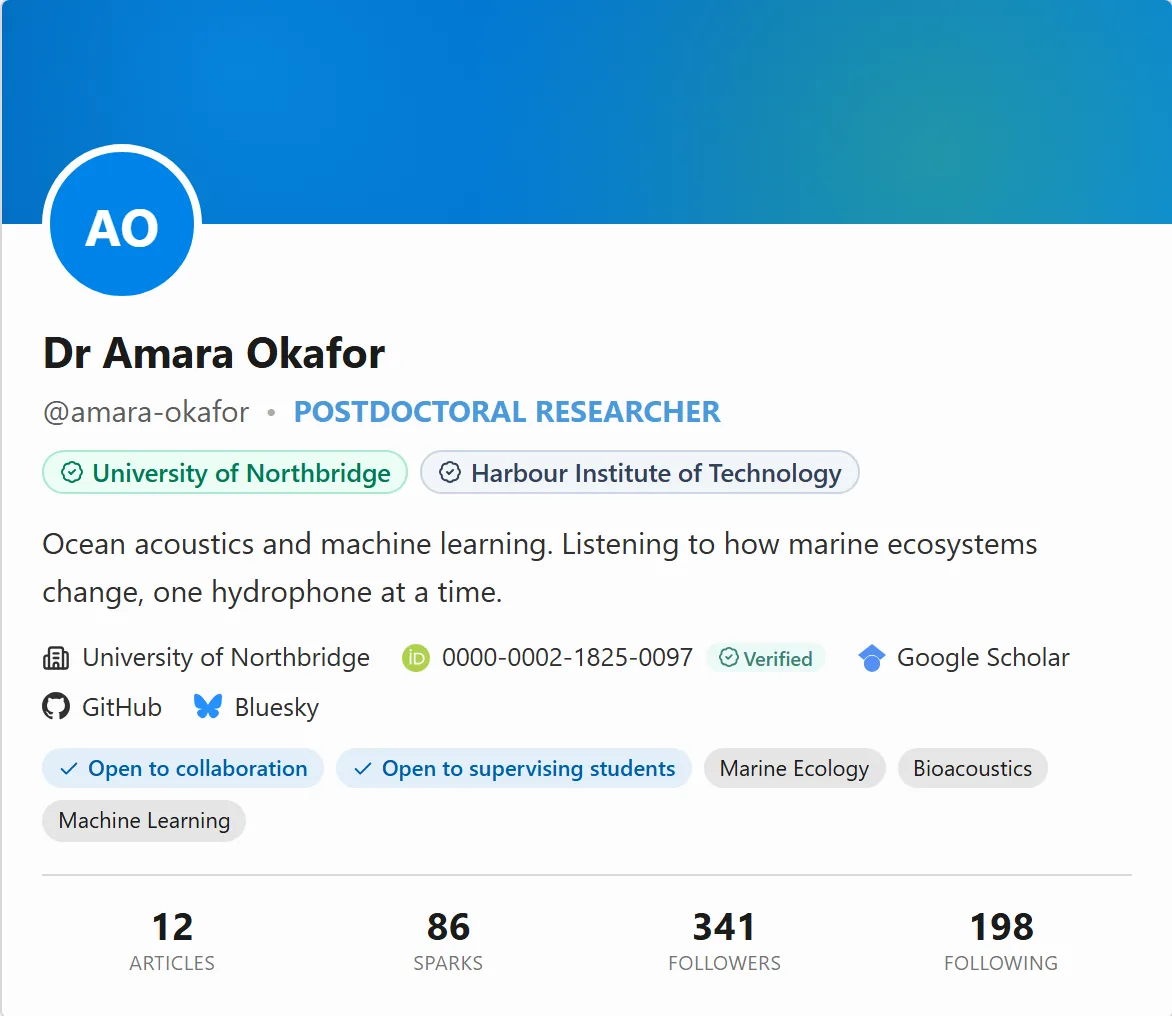
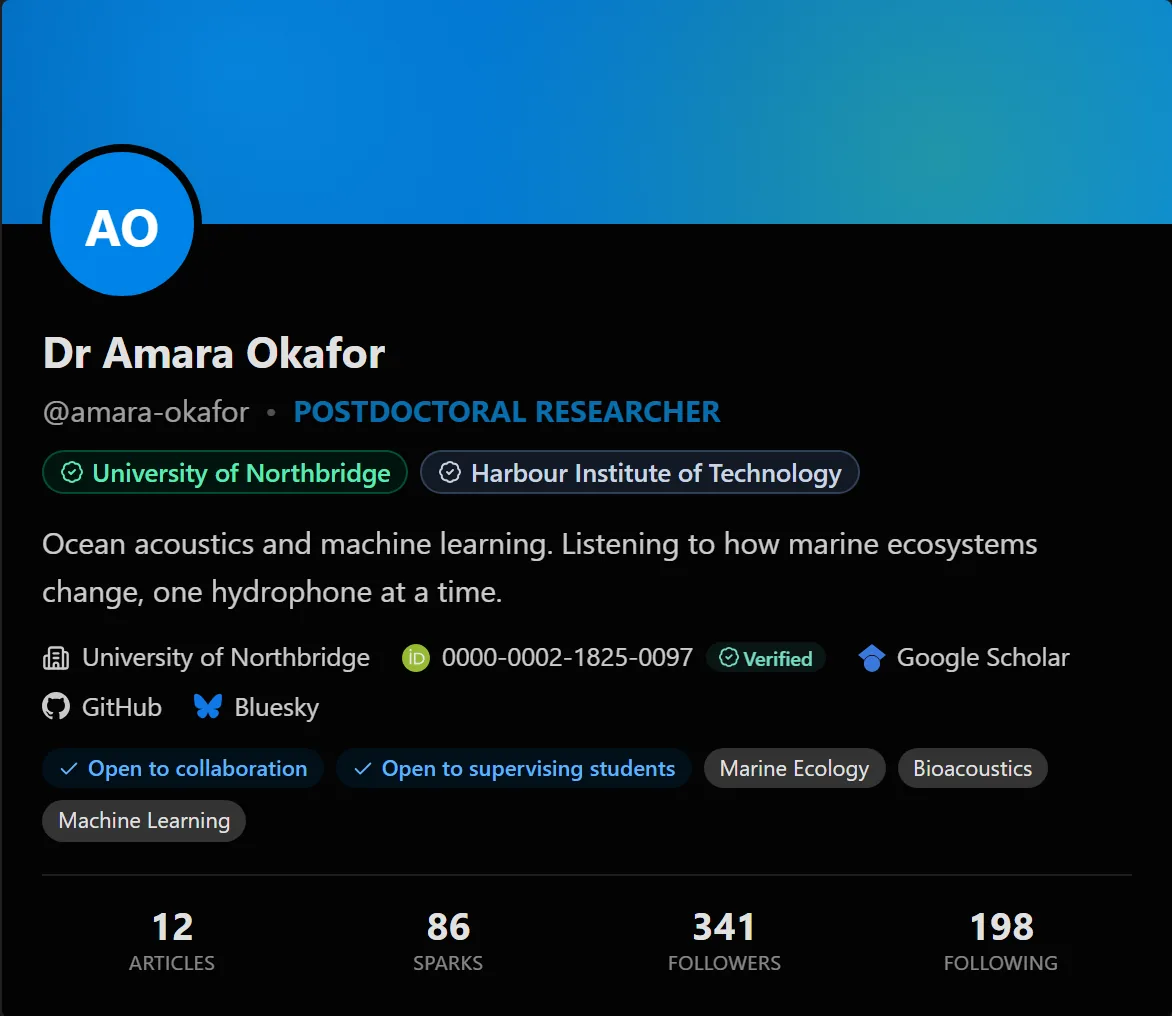
A researcher’s profile with a verified affiliation to the University of Northbridge and a verified ORCID iD
A profile on OWL. The green badge marks an affiliation OWL has checked, so readers know who they are reading. Open it

What changes

See what every lab published this year, without asking

Faculty websites lag and newsletters summarise. Finding out what your labs did for the public should not take a week of emails.

  • Know what your labs did this year

    You might use: A week of emails

    On OpenWorldLab: The faculty’s page lists every lab’s posts, events and vacancies as they go up.

  • Compare departments

    You might use: Annual returns in different formats

    On OpenWorldLab: Reads, readers and audiences for every department and lab, side by side.

  • See what your labs raise

    You might use: Crowdfunding pages you hear about later

    On OpenWorldLab: Campaigns your labs run appear on the faculty’s page, with what they raised.

  • Advertise a PhD place or postdoc

    You might use: jobs.ac.uk, the university site

    On OpenWorldLab: A free listing on the lab’s page, also shown on every page above it.

Your structure, online

Every lab its own page. The faculty sees them all.

A lab links its page under its department, and the department accepts. What the lab posts then appears on the department’s and the faculty’s pages too, and its reading figures add up into theirs.

University of NorthbridgeHarbour Institute of TechnologyFaculty of ScienceFaculty of EngineeringNorth Sea ObservatoryMarine EcologyExoplanetsNeurogeneticsTurbulenceCoastal Hazards
  1. Step 1 of 4

    Every lab runs its own presence

    Labs, centres and departments each get their own page. They post updates, articles, events and vacancies themselves, without waiting for a central web team.

  2. Step 2 of 4

    Post once, and it appears all the way up

    A lab links its page under its department, and the department accepts. From then on, whatever the lab publishes also appears on the pages of its department, its faculty and the university. Nobody copies or re-posts anything.

  3. Step 3 of 4

    Collaborations sit under every partner

    A group can have more than one parent. A shared observatory appears under both universities at once, so joint work reaches every partner’s audience from one post.

  4. Step 4 of 4

    Your team sees one feed for the whole organisation

    The university’s page shows every article, event and spark (a short post) beneath it as it goes up, each one traced back to the lab it came from. Reading figures add up the same way.

Compare, then report

See which units reach whom, and report upwards

Open the faculty, a department or a single lab. Each level’s figures add up everything beneath it.

University

University of Northbridge

Everything published across the 9 groups beneath it

In brief: 232,999 reads by 127,498 readers, up 75% on a year ago. 46% came from the general public and 8% from professionals and funders. 33% of opened posts were read to the end.

Reads, 12 months

232,999

+75% on a year ago

Readers

127,498

Different people, counted once

Time spent reading

3,759h

58s of active reading per read

Read to the end

33%

Of every post opened

Reads by month Everything published beneath this unit
OctNovDecJanFebMarAprMayJunJulAugSep
Reads by month for University of Northbridge
MonthReads
Oct13633
Nov14873
Dec14589
Jan16216
Feb19069
Mar21152
Apr20054
May21731
Jun20458
Jul21429
Aug26651
Sep23144

Reads by unit

Who is reading

  • General public 46%
  • Students 16%
  • Researchers and academics 26%
  • Professionals and funders 8%
  • Not stated 4%

How they found it

  • Feeds 35%
  • Search 24%
  • Other websites 19%
  • Email 11%
  • Direct 11%

Research areas read

  • Climate · 59.0k
  • Oceanography · 52.8k
  • Schools · 45.3k
  • Science festivals · 45.3k
  • Astrophysics · 39.2k
  • Planetary science · 39.2k
  • Ecology · 31.7k
  • AI · 26.1k

8,057 followers · 488 posts, events and jobs published

No reader is ever named. Reading time counts only active reading.

Illustrative organisation and figures. Open any unit in the tree, or any bar under “Reads by unit”, to drill down.

Where the work happens

Files, papers and reading, next to the group

Researchers post where they already work. When their files, LaTeX papers and reading live on OpenWorldLab, sharing a result is one step further.

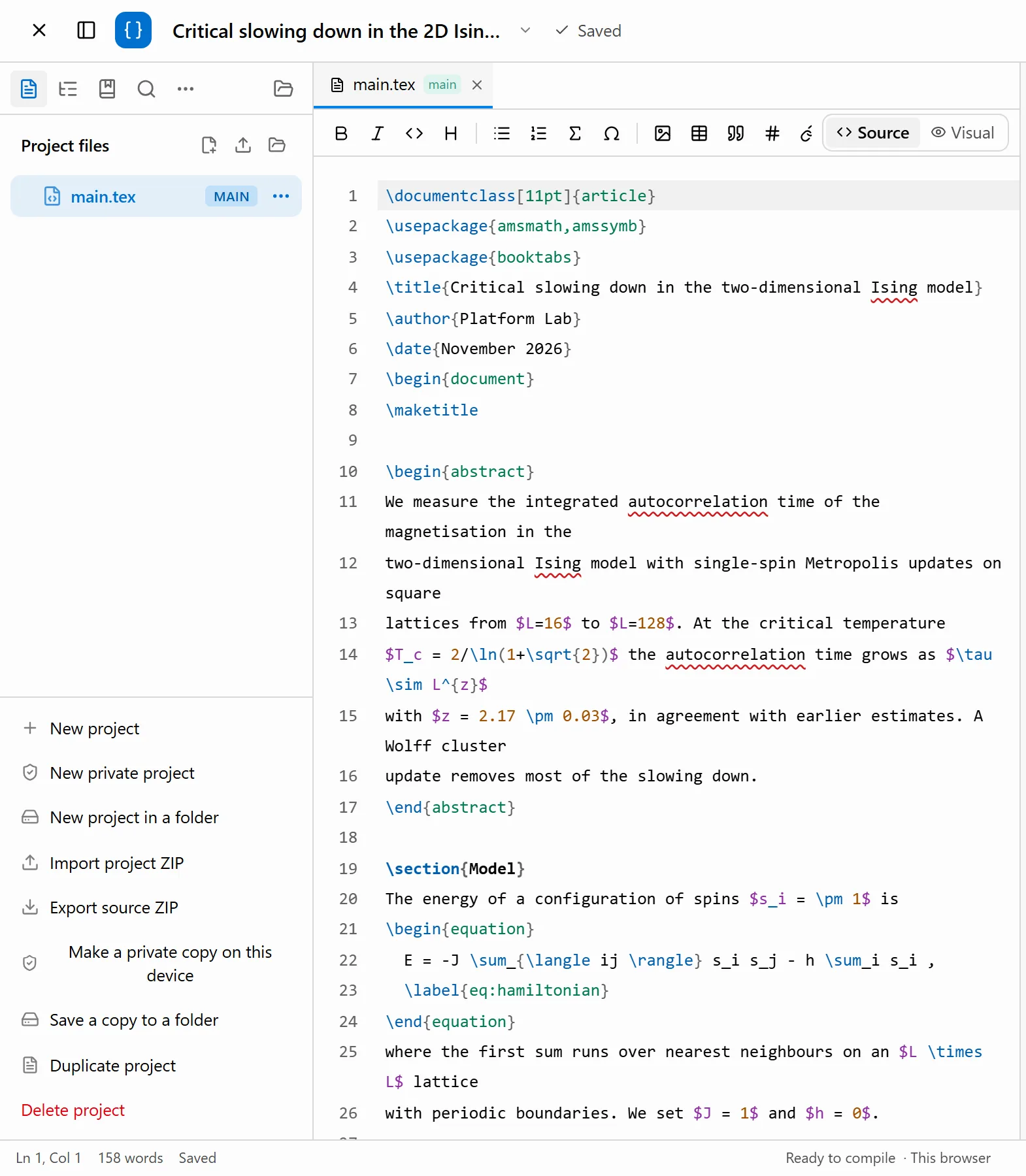
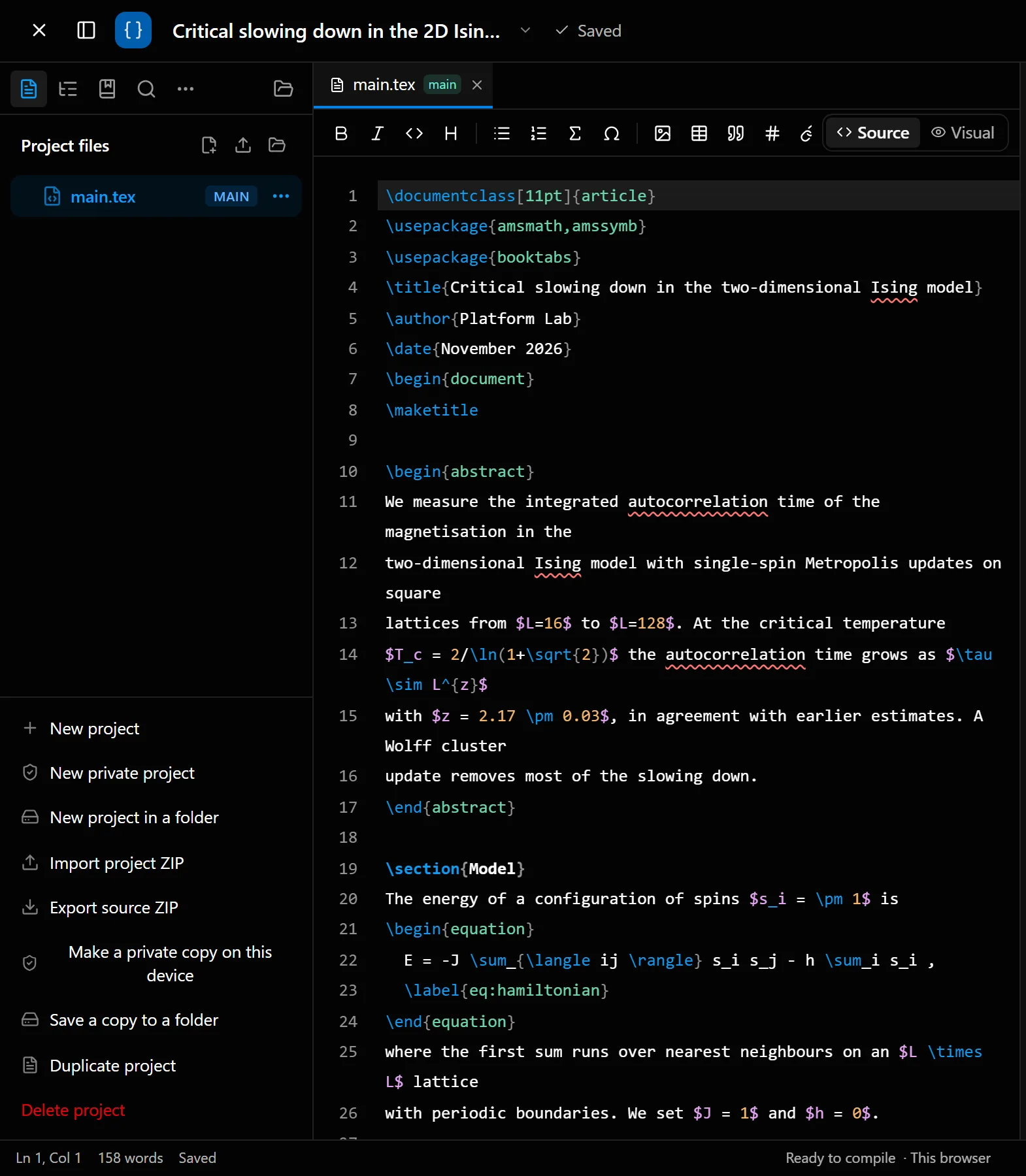
The LaTeX editor with a paper’s source open and the project’s files beside it
The LaTeX editor, compiling in the browser.
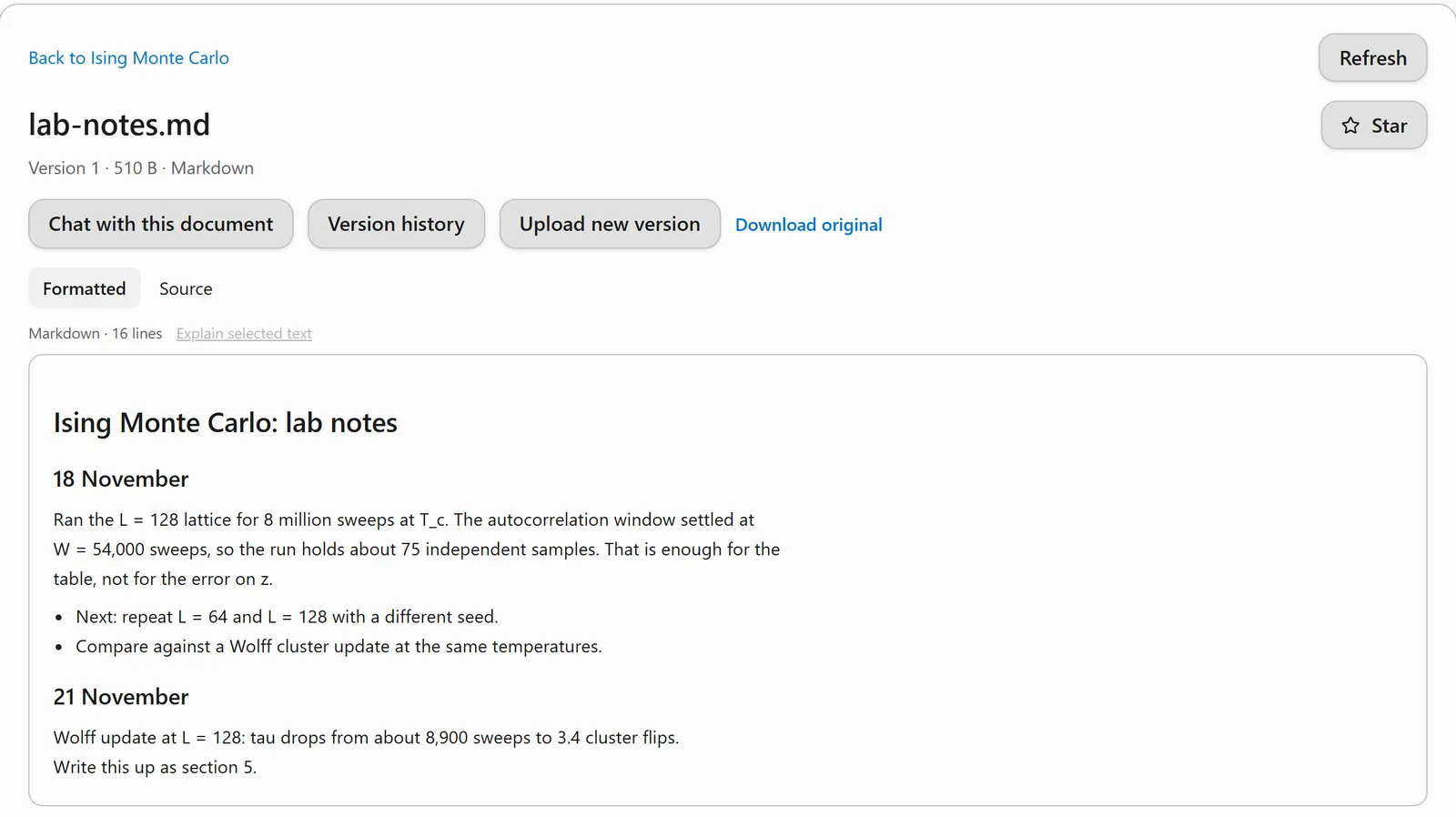
A lab-notes file in Files, with buttons to chat with the document and see its version history
A file in a group’s workspace, with its versions and Ask your documents.
  • Files and workspaces

    Keep your files and your group’s in shared folders. Preview them, comment on them and search inside them.

    Read the guide
  • LaTeX editor

    Write papers in the browser, compile them on the spot, and let co-authors leave review comments on the source.

    Read the guide
  • Ask your documents

    Ask a question about a file or a whole folder, and get an answer that cites the pages it came from.

    Read the guide
  • AI Studio

    Turn your notes or a paper into a draft article for a general reader, then edit it before you publish.

  • Explain

    Select a passage you don’t follow and ask OWL to explain it in plain words.

    Read the guide

Recruitment

Recruit across the faculty, free

Every position a lab posts also appears on the faculty’s page, and reaches people browsing its research area.

PhD studentship

Diving physiology of juvenile grey seals

Marine Ecology Lab · University of Northbridge

  • Northbridge, UK · on site
  • Fully funded, £21,000 a year stipend
  • Closes 29 January
Marine EcologyAnimal Physiology

1,840

reads

2m 40s

per read

96

clicked Apply

Also listed on

  1. Marine Ecology Lab
  2. Department of Biology
  3. Faculty of Science
  4. University of Northbridge

No listing fees

No per-listing fees and no packages. A listing stays up until the position closes.

Found by research area

Listings carry research areas, so people filtering the job list by field, place or type find them.

One board for the whole organisation

A position posted anywhere in the hierarchy also appears on the pages of every group above it.

Measured like everything else

Reads, time spent reading and clicks on Apply, per listing and per unit, in the same figures as your outreach.

See the live job board

Start with a pilot

Start with one department

See one department and its labs on one page within a month.

  1. 1. Week 1

    Set up the faculty

    Create its page, and link it under the university’s if the university is already here.

  2. 2. Weeks 1–4

    Invite one department

    The department links its page under the faculty’s, and you accept. Its labs do the same under the department, and post.

  3. 3. Day 30

    Review it together

    A call with us on what appeared and what you want to see next.

Pricing
Free for researchers and labs. Higher AI and storage limits come with memberships. Institutional terms are agreed with each partner. You keep your data.
Who we are
OWL is built by a small global team of researchers, based in the UK. About OWL
Your readers’ data
No reader is ever named. Privacy policy

The universities, groups, people and figures in this page’s examples are illustrative.